 Save
Save There's something about black currant preserves that stopped me mid-aisle at a farmer's market years ago. A jar caught the light, deep purple and glossy, and I found myself wondering what magic could come from mixing something sweet with vinegar and mustard. That afternoon, I brushed this glaze onto a ham I'd been roasting, and the kitchen filled with this intoxicating smell of caramelized fruit and tangy warmth. My partner walked in, paused, and asked what I was making before I'd even finished cooking. That's when I knew this glaze was something special.
I served this glaze at a dinner party when a friend mentioned she'd never had black currant anything. Watching her taste it and then immediately ask for the recipe felt like vindication for all those experimental kitchen moments. It became the conversation starter of the evening, which says something when you're talking about a sauce.
Ingredients
- Black currant preserves: This is your foundation, delivering deep fruitiness that doesn't taste like jam once it hits heat and vinegar. Look for ones with fewer additives if you can.
- Balsamic vinegar: The secret weapon that keeps the glaze from becoming cloying, adding a sophisticated edge that makes people ask what's in it.
- Honey: Balances the vinegar's bite with natural sweetness and helps create that glossy, sticky finish.
- Dijon mustard: A small amount adds complexity without making the glaze taste mustard-y, trust me on this.
- Unsalted butter: Enriches the glaze and gives it a silky texture that coats whatever you're brushing it on.
- Brown sugar: Amplifies the caramelization and helps thicken everything as it simmers.
- Fresh thyme leaves: Optional but worth the effort, adding an herbal note that feels intentional rather than accidental.
- Black pepper and salt: These awaken all the other flavors and prevent the glaze from tasting one-dimensional.
Tired of Takeout? 🥡
Get 10 meals you can make faster than delivery arrives. Seriously.
One email. No spam. Unsubscribe anytime.
Instructions
- Gather and combine:
- Add your black currant preserves, balsamic vinegar, honey, Dijon mustard, butter, and brown sugar to a small saucepan. Have everything ready because once you start, you'll want to keep stirring without hunting for jars.
- Melt and smooth:
- Turn the heat to medium and watch as the butter slowly melts into the preserves, making everything glossy. Stir every 30 seconds or so until you have one unified, smooth mixture with no streaky butter.
- Season with intention:
- Add your thyme if you're using it, then the black pepper and a small pinch of salt. Taste a tiny amount on your finger (carefully, it's hot) and adjust if needed.
- Simmer gently:
- Let it bubble quietly for 5 to 7 minutes, stirring occasionally. You'll see it thicken and deepen in color, becoming glossy and almost shiny at the edges.
- Ready to glaze:
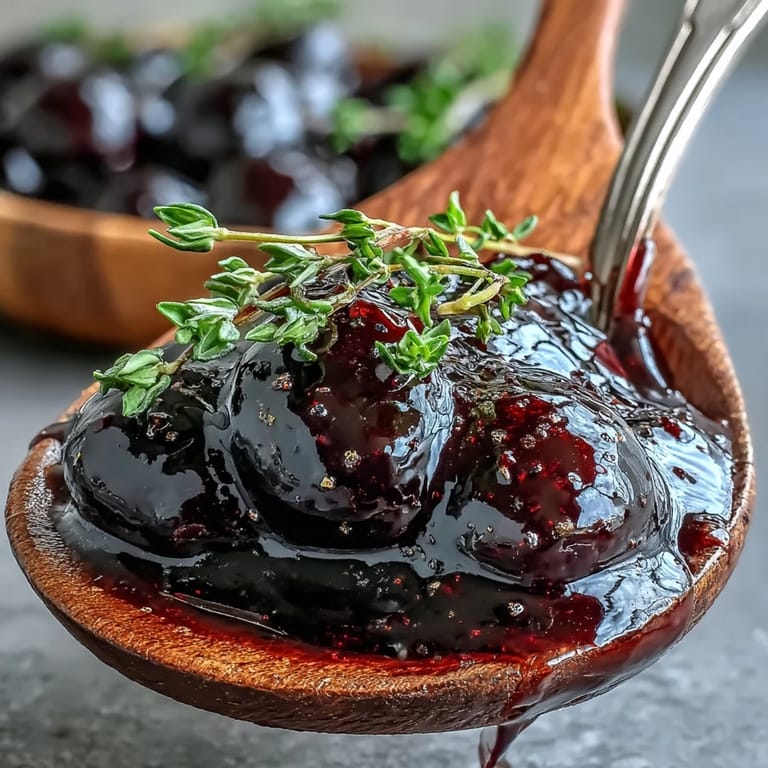
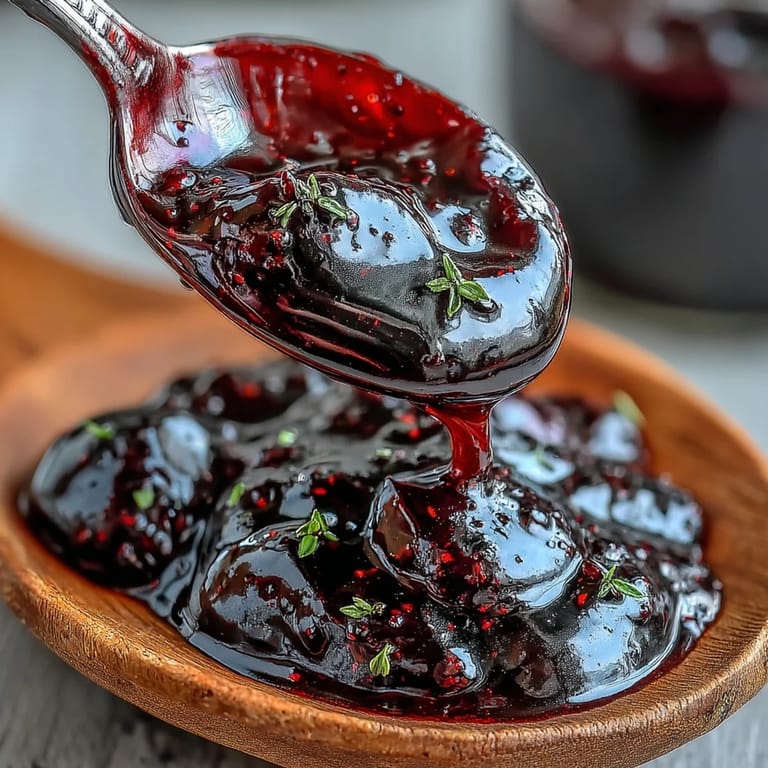
- Once it reaches a consistency that coats the back of a spoon and falls slowly, it's done. Use immediately for glazing, or let it cool slightly if you're serving it on the side.
 Save
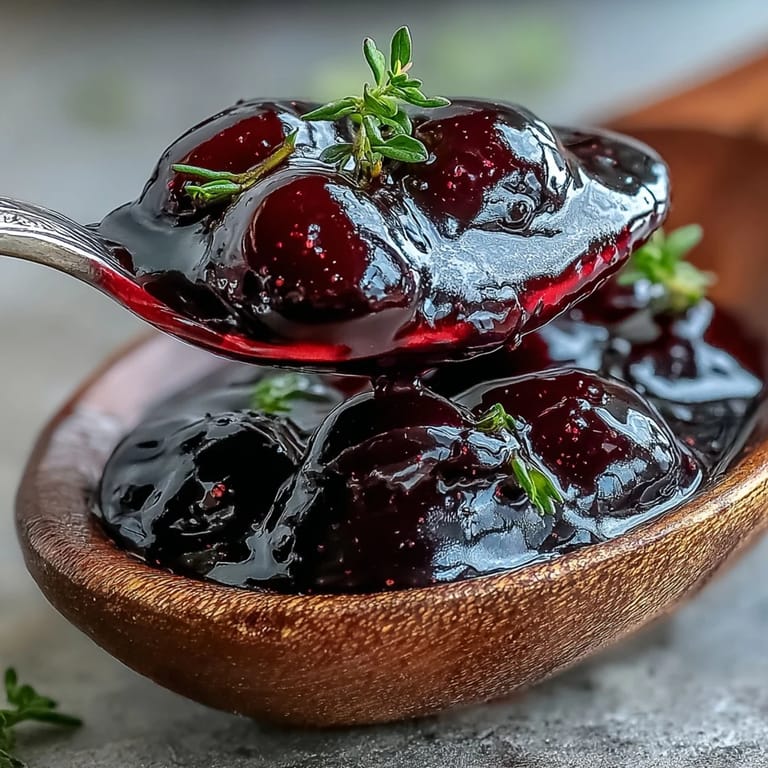
Save My mother tasted this glaze on a roasted duck I made and called it the kind of thing that makes you want to cook more often. It wasn't that she hadn't eaten good food before, but something about the combination felt like someone finally understood what her palate wanted. That moment made me realize that the best recipes aren't always complicated, they're just honest.
When to Use This Glaze
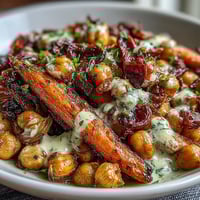
The magic happens when you brush this onto something during the last 20 to 30 minutes of cooking. The heat caramelizes it against the meat or vegetables, creating a sticky, glossy coating that looks like you've been stirring pots all day. It's equally at home on a baked ham as it is on roasted Brussels sprouts or a simple chicken thigh, which is why I keep black currant preserves stocked year-round.
Substitutions and Swaps
If your market doesn't carry black currant preserves, red currant or cherry jam work beautifully and shift the flavor just enough to keep things interesting. I've also used plum jam in a pinch, which gives everything a deeper, earthier quality that pairs especially well with pork. The formula stays the same, so you're never really limited by what's in your pantry.
Storage and Making Ahead
This glaze keeps in a sealed jar in the refrigerator for about a week, which means you can make it on Sunday and use it throughout the week without thinking about it. Simply reheat gently in a small saucepan when you're ready to use it, adding a splash of water if it's gotten too thick. I love having it ready for those nights when I want to turn something ordinary into something that tastes intentional.
- Keep it in a glass container with a tight lid to maintain freshness and make it easy to grab.
- If you're doubling the recipe, don't skip the simmering time, it ensures proper thickening throughout the larger batch.
- Leftover glaze works beautifully spooned over roasted vegetables or even stirred into plain yogurt as an unexpected dessert sauce.
 Save
Save This glaze became my answer to the question I used to ask myself every time guests arrived: how do I make something look and taste like I've put in more effort than I actually have? It's one of those small kitchen skills that changes how you cook, turning simple roasted things into dishes worth remembering.
Recipe Questions
- → What foods pair best with black currant glaze?
Pork, chicken, duck, ham, and root vegetables pair exceptionally well. The tangy-sweet profile cuts through rich meats while complementing roasted vegetables beautifully.
- → Can I make this glaze ahead of time?
Yes, prepare the glaze up to one week in advance. Store in a sealed jar in the refrigerator and reheat gently before brushing onto foods during the final cooking stage.
- → What can I substitute for black currant preserves?
Red currant preserves or cherry preserves work well as substitutes. They provide similar tartness and consistency while maintaining the glaze's glossy finish.
- → Should I strain the glaze before using?
Straining through a fine mesh sieve creates an ultra-smooth texture, though it's optional. The preserves may contain fruit pieces that some prefer to remove for a perfectly smooth finish.
- → How do I know when the glaze is ready?
The glaze is ready when it thickens slightly and becomes glossy, typically after 5-7 minutes of gentle simmering. It should coat the back of a spoon and have a rich, shiny appearance.