 Save
Save One Tuesday morning, I found myself staring at a container of cottage cheese that needed using, a half-empty jar of mixed herbs from some forgotten cooking project, and an ambitious goal: make bagels that actually taste like something. The result was these garlic herb protein bagels, which turned out to be the kind of breakfast that makes you feel like you've got your life together, even when you absolutely don't. The chewy dough, infused with savory herbs and garlic, became something I started craving on mornings when I needed both comfort and substance.
I remember feeding these to my neighbor who had just started trying to meal prep, and watching her eyes light up when she bit into one was genuinely satisfying. She'd been convinced that "healthy breakfast" meant suffering through bland oatmeal or dry protein shakes, and suddenly there was this chewy, garlicky bagel that tasted indulgent while actually being good for her. We sat on her porch with coffee, and she kept coming back for thirds, asking how I'd managed to make something taste this good and still have 19 grams of protein per serving.
Ingredients
- Bread flour: This gives your bagels that chewy, substantial crumb structure that makes them worth eating instead of just grabbing a store-bought one.
- Unflavored whey protein powder: Choose a quality brand with minimal additives so it blends seamlessly into the dough without adding weird flavors or affecting texture.
- Instant yeast: Don't skip the rising time even though you're impatient—it's what makes these bagels actually fluffy inside instead of dense and gummy.
- Dried mixed herbs and garlic powder: These are the whole personality of the bagel, so don't be shy with them; the flavors mellow during baking but that's exactly what you want.
- Warm water: Temperature matters more than you'd think—too hot kills the yeast, too cold and nothing happens, so grab a thermometer if you have one.
- Honey for boiling: This creates that shiny, chewier exterior that separates real bagels from regular bread rolls shaped into circles.
- Cottage cheese: Full-fat or regular tastes noticeably better than nonfat, and the spread should taste luxurious, not diet-like.
- Fresh chives and parsley: Fresh herbs make an actual difference here—the dried versions won't give you that bright, grassy finish that makes people ask what you did differently.
Tired of Takeout? 🥡
Get 10 meals you can make faster than delivery arrives. Seriously.
One email. No spam. Unsubscribe anytime.
Instructions
- Mix your dry ingredients like you're building a foundation:
- Whisk together the flour, protein powder, yeast, sugar, salt, herbs, and garlic powder in a large bowl so everything is evenly distributed. This prevents clumpy pockets of protein powder from showing up in your finished bagel.
- Bring the dough together:
- Pour in the warm water and olive oil, stirring until a shaggy, slightly sticky dough forms. Don't worry if it looks rough—that's exactly what you want at this stage.
- Knead until it feels alive:
- Work the dough on a floured surface for about 8 minutes, adding just enough flour to prevent sticking without making it dry. You'll feel when it transforms from rough to smooth and elastic—that's your signal to stop.
- Let it breathe and rise:
- Oil a bowl, nestle your dough inside, cover it loosely, and set it somewhere warm for 30 to 40 minutes until it's roughly doubled. A warm corner of your kitchen works, or if it's cold, try your oven with just the light on.
- Shape with purpose:
- Divide the risen dough into 6 equal pieces, roll each into a smooth ball, then poke your thumb through the center to create that bagel hole. Gently stretch and shape until each one is roughly 3 inches in diameter with a hole about an inch wide.
- Boil for that signature chew:
- Bring a pot of water to a gentle boil, add honey and baking soda, then carefully drop each bagel in for 45 seconds per side. Use a slotted spoon and work gently so they don't stick to the bottom or fall apart.
- Bake until golden:
- Transfer boiled bagels to a parchment-lined tray and bake at 425°F for 18 to 20 minutes until they're deep golden brown and sound slightly hollow when tapped. Let them cool on a rack so they don't get soggy on the bottom.
- Make the spread with freshness in mind:
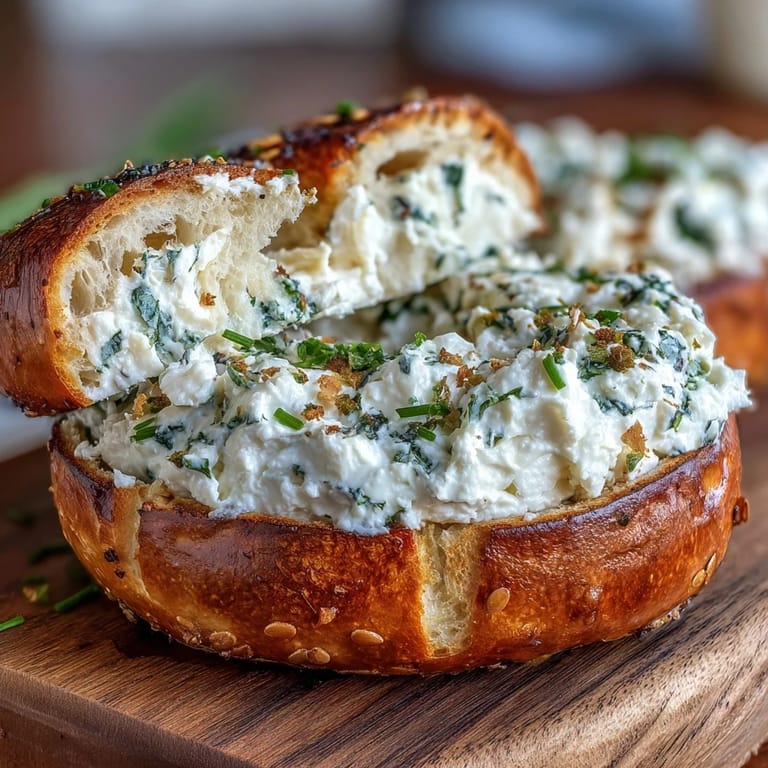
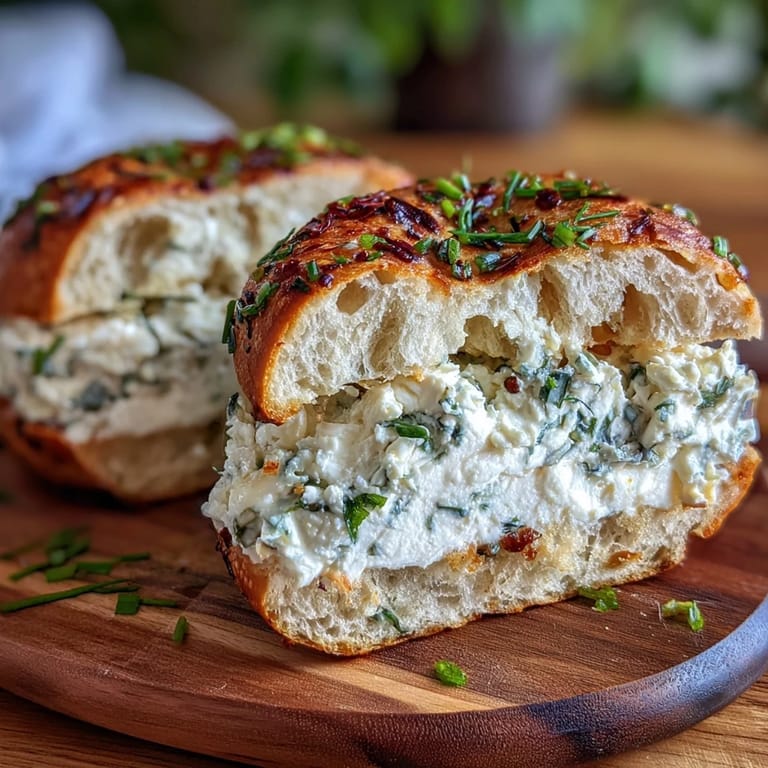
- Fold together cottage cheese, fresh chives, parsley, minced garlic, lemon zest, salt, and pepper until everything is evenly incorporated. Taste as you go and don't be afraid to adjust the seasoning—the spread should taste bright and intentional, not bland.
- Serve generously:
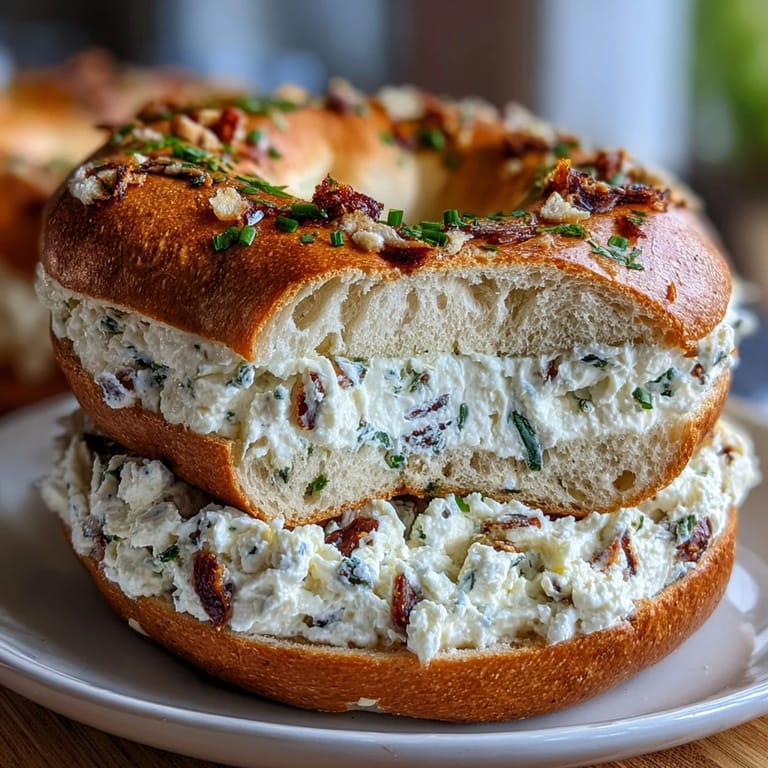
- Slice your cooled bagels in half, toast them if you like (I do), and slather with a proper generous layer of spread. Every bite should have both the savory bagel and creamy, herby spread working together.
 Save
Save These bagels became the thing I made when I wanted to impress people without actually seeming like I was trying too hard, which is maybe the best position for any recipe to be in. They sat at the center of more than one breakfast conversation where someone asked why they tasted so much better than store-bought, and I got to explain about the boiling and the fresh herbs without sounding pretentious about it.
The Protein Powder Question
Using whey protein powder in baked goods used to feel like a fitness hack, but when it's incorporated properly into dough, it genuinely becomes part of the structure rather than something you can taste. The trick is mixing it thoroughly with your dry ingredients so there are no concentrations of it in one spot, which would create a weird texture or chalky flavor. I've experimented with different protein brands, and vanilla flavored ones will compete with your garlic and herbs, so unflavored is always the move here.
Why the Cottage Cheese Spread Works
Cottage cheese gets dismissed by people who've only tried the sad, watery versions from the back of someone's fridge, but fresh, quality cottage cheese is creamy and rich in a way that makes an actual spread you'd want to eat. The fresh herbs and lemon zest brighten it so it never feels heavy, and mixed into a bagel with all those savory flavors, it becomes genuinely luxurious. Some people blend it smooth, some leave it chunky—I prefer somewhere in between where there's still a little texture but it spreads easily.
Storage and Variations That Actually Work
These bagels keep in an airtight container for three or four days, and honestly, they're still fantastic toasted even on day four when they've gotten a little drier. The spread is best made fresh, but you can make it the night before and it actually tastes better as the flavors meld. If you want to experiment, try adding everything bagel seasoning on top before baking, or a sprinkle of sesame seeds, but be careful not to overload them or all that careful flavor balance gets lost.
- Toast them lightly even if they're fresh—it brings out the toastiness of the garlic and makes the spread creamier by contrast.
- If you're meal prepping, make the bagels on Sunday and the spread on Wednesday so it stays bright and fresh tasting.
- These freeze beautifully once cooled, and you can toast them straight from frozen for a weekday breakfast that tastes homemade.
 Save
Save These bagels turned into the kind of recipe I make when I want breakfast to feel like something I chose rather than something I defaulted to, and somehow they manage to be both impressive and completely casual. Every time someone asks for the recipe, I know they'll make them, enjoy them, and probably end up making them again when they want to feel like they're taking care of themselves without any suffering involved.
Recipe Questions
- → What makes these bagels high in protein?
The dough includes unflavored whey protein powder, which boosts the protein content without altering the flavor.
- → How does boiling bagels before baking affect their texture?
Boiling them briefly in water with honey and baking soda creates a chewy crust and helps achieve the classic bagel texture.
- → Can I add toppings for extra texture?
Yes, adding sunflower or pumpkin seeds on top before baking enhances crunch and flavor.
- → How is the cottage cheese spread prepared?
The spread is a blend of cottage cheese with fresh chives, parsley, minced garlic, lemon zest, salt, and pepper for a creamy, savory topping.
- → Is there a gluten-free option for these bagels?
Using a gluten-free bread flour blend allows you to make a gluten-free version, though texture may vary slightly.
- → What is the rising time for the dough?
The dough should rise in a warm place for 30 to 40 minutes or until doubled in size.