 Save
Save I discovered hojicha at a tiny café in Kyoto where the owner served it alongside a flourless chocolate cake, and something about that roasted, almost coffee-like earthiness made me think: what if this became the soul of a molten chocolate dessert? That afternoon, watching the steam rise from their teacup, I mentally started playing with the idea, and months later, after testing it in my own kitchen at midnight with terrible lighting and even worse initial results, this cake finally clicked. The magic happens when that nutty hojicha meets creamy white chocolate, creating something that tastes like sophistication but feels like a hug.
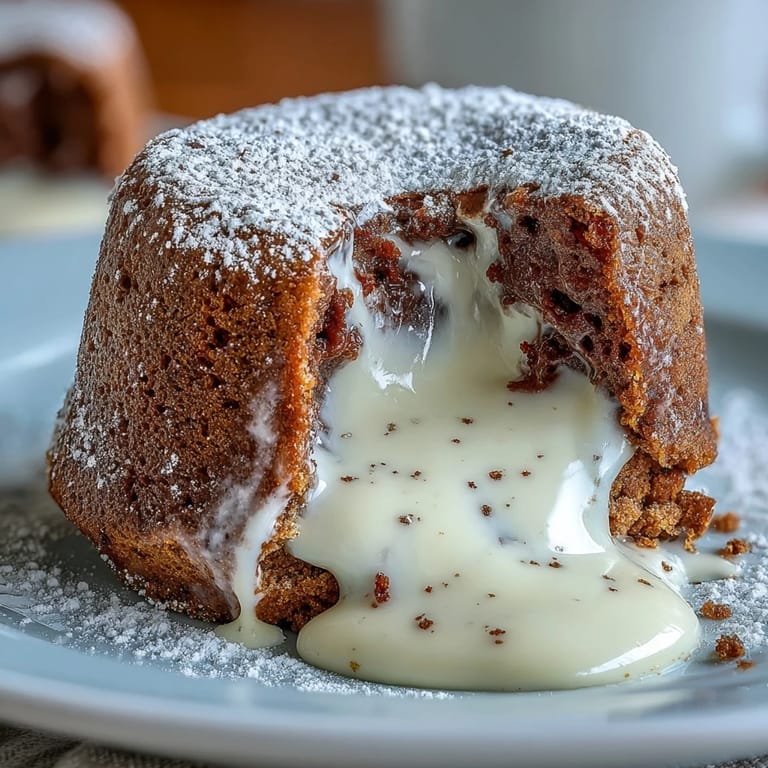
My partner once brought home a friend who claimed they didn't like desserts, and I made these on a whim thinking they'd at least try one bite. Watching their expression shift from skeptical to absolutely delighted as that hojicha-infused chocolate oozed onto their plate was pure kitchen magic, the kind that reminds you why cooking for people matters at all.
Ingredients
- White chocolate: Use good quality white chocolate (at least 30% cocoa butter) because cheaper versions turn grainy when melted; I learned this the expensive way by ruining my first batch.
- Unsalted butter: The fat carries flavor and creates that luxurious crumb, so don't skip it or substitute with oil.
- Eggs and egg yolk: Fresh eggs at room temperature whip up faster and create better structure; cold eggs resist incorporating air.
- Hojicha powder: This is your secret weapon—it's roasted green tea with a toasty, almost nutty flavor that balances white chocolate's sweetness beautifully.
- All-purpose flour: Just enough to give structure without making the cake dense; too much and you lose that prized molten center.
- Granulated sugar: Whisked with eggs it aerates the batter, creating that light, tender crumb that sets around the edges while staying impossibly soft inside.
- Salt: A pinch heightens every other flavor and prevents the white chocolate from feeling cloying.
Tired of Takeout? 🥡
Get 10 meals you can make faster than delivery arrives. Seriously.
One email. No spam. Unsubscribe anytime.
Instructions
- Prep your ramekins like you mean it:
- Grease them generously with butter, then dust with flour, tapping out every last bit of excess. This step feels tedious but saves you from cakes that stick to the sides and tear when you flip them.
- Create a silky chocolate base:
- Set a bowl over gently simmering water—not boiling, never boiling, or your chocolate will seize up and become grainy. Stir the white chocolate and butter until they're completely smooth and glossy, then step away from the heat.
- Whip eggs into clouds:
- In another bowl, whisk eggs, egg yolk, and sugar until the mixture is pale, thick, and falls in ribbons when you lift the whisk. This takes about 2 to 3 minutes of consistent whisking and creates the aeration that gives you that tender crumb.
- Fold in the dry goods carefully:
- Sift the flour, hojicha powder, and salt directly over your egg mixture, then gently fold using a spatula with wide, sweeping motions. Folding—not stirring—preserves all that beautiful air you just whisked in.
- Marry chocolate and eggs without deflating:
- Pour the cooled white chocolate mixture over the eggs and fold until just barely combined, with maybe a few streaks of dry ingredients still visible. Overmixing at this stage crushes the delicate air bubbles and leads to a dense, heavy cake.
- Divide and prepare for baking:
- Spoon equal amounts into each ramekin, filling them about three-quarters full. Even distribution ensures they bake at the same rate.
- Bake until edges are set but center jiggles:
- At 200°C (390°F), 12 minutes should give you set edges and a wobbling center. The cake will continue cooking slightly as it rests, so don't leave it in longer or you'll lose that prized molten flow.
- Rest and release:
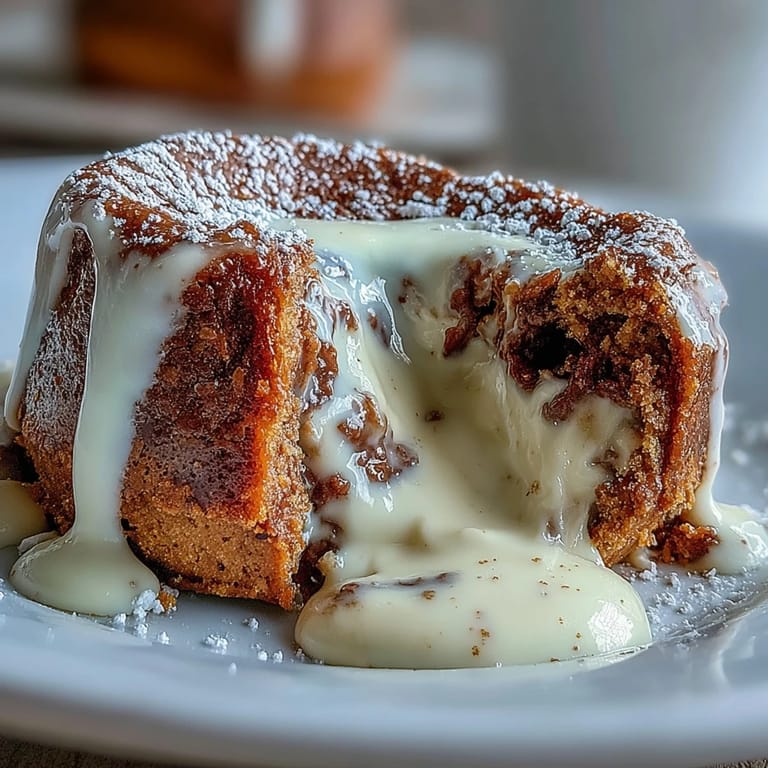
- Let the cakes sit for 1 to 2 minutes—this allows the structure to firm up just enough to hold together when inverted. Run a thin knife around the edges to release any sticking, then carefully flip onto serving plates.
- Finish and serve instantly:
- Dust with powdered sugar and eat immediately while the center is still warm and the hojicha aroma is at its most intoxicating. Every second counts here.
 Save
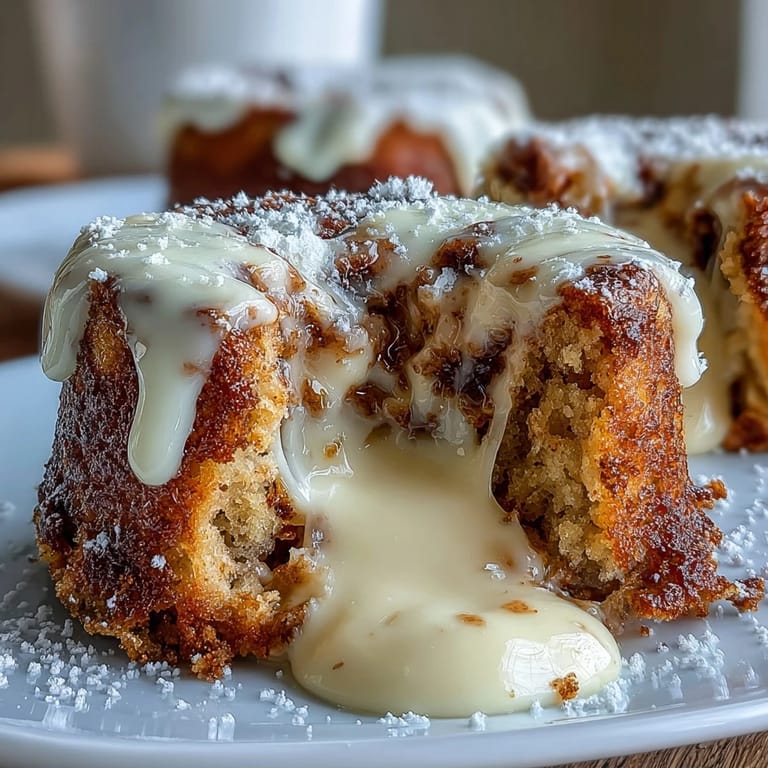
Save There's a moment after you flip the cake and that chocolate river starts spreading across the warm plate where all the technique and timing and careful measuring suddenly feels worth it. It's the moment someone closes their eyes after that first spoonful, and you know you've created something they'll remember.
The Hojicha Difference
Hojicha isn't matcha or regular green tea—it's green tea that's been roasted at high temperatures until it's dark brown and smells almost like coffee mixed with caramel. That roasting process removes most of the caffeine and creates this incredibly complex, grounding flavor that prevents white chocolate from tasting one-dimensional or saccharine. The first time I tasted hojicha on its own, I wasn't sure I liked it, but paired with sweet white chocolate, it became my favorite tea instantly.
Timing Is Everything Here
This recipe lives in a narrow window between underbaked and fully set, and that's actually the whole point. The edges need to be firm enough that the cake doesn't collapse when you flip it, but the center has to stay soft and molten so that chocolate oozes when you dig in with your spoon. I've baked these at different temperatures and with different timings, and 12 minutes at 200°C has been the most reliable sweet spot across my oven, though yours might vary slightly based on your oven's personality.
Serving and Pairing Possibilities
These cakes are dramatic enough to stand alone, but they also welcome companionship. A dusting of powdered sugar adds visual sophistication and a whisper of sweetness, while fresh berries cut through the richness with brightness and tartness. Ice-cold milk or a shot of espresso beside the plate creates a moment of pause, making dessert feel intentional rather than rushed.
- Serve immediately after flipping because the warmth is part of the experience and the chocolate flows better when it's hot.
- If you're feeding guests, bake them in waves so each person gets a cake that's warm and molten rather than room temperature.
- Leftovers can be refrigerated and gently reheated in a 160°C (320°F) oven for about 4 minutes, though they're honestly best eaten fresh.
 Save
Save This cake is proof that sometimes the best desserts come from curiosity and a willingness to play with flavors that shouldn't work together but somehow do. Make this for someone you want to impress, or make it for yourself on a Tuesday just because you deserve something extraordinary.
Recipe Questions
- → What is hojicha powder?
Hojicha is roasted green tea leaves ground into a fine powder. Unlike matcha, hojicha has a deep reddish-brown color and distinctive nutty, toasty flavor with lower caffeine content, making it perfect for desserts.
- → How do I know when the cakes are done?
The edges should be set and firm while the center remains soft and jiggly. A toothpick inserted into the center should come out with wet batter, not clean. This ensures the molten texture.
- → Can I make these ahead of time?
You can prepare the batter up to a day in advance and store it in the refrigerator. Let it come to room temperature before baking. Baked cakes are best served immediately but can be reheated briefly.
- → What can I substitute for hojicha powder?
Matcha powder works for a green tea variation. For a different flavor profile, try ground earl grey tea or cinnamon. Note that substitutes will alter the final taste profile.
- → Why did my cakes turn out dry?
Overbaking is the most common cause. Even one extra minute can set the center completely. Start checking at 10 minutes and remove when edges are set but center jiggles. Oven temperature accuracy also matters.
- → Can I use milk chocolate instead?
White chocolate provides the best contrast to hojicha's earthy notes. Milk chocolate will work but results in a sweeter, less complex flavor. Dark chocolate may overpower the delicate tea flavor.