 Save
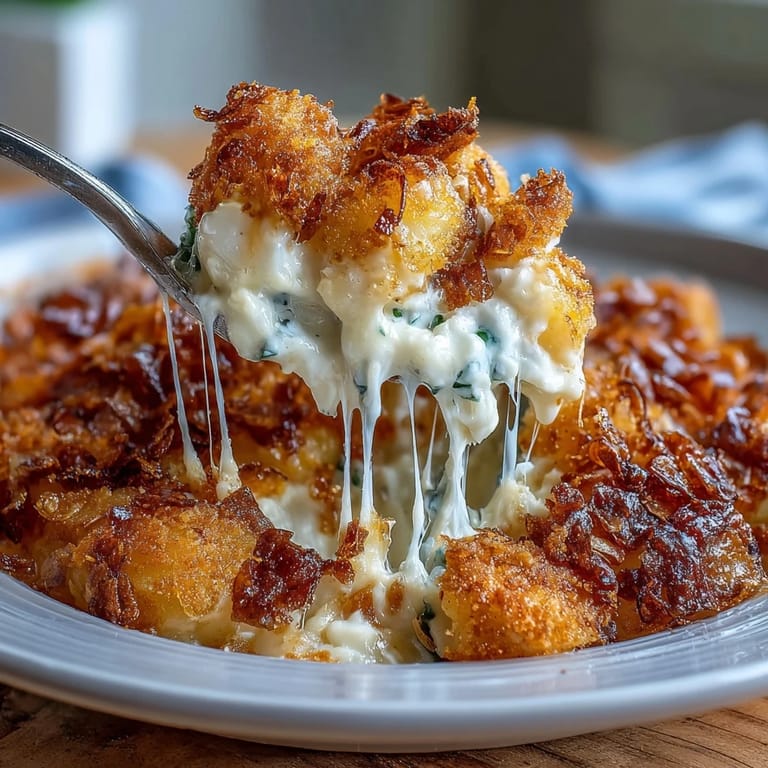
Save My aunt showed up to a church potluck with this casserole years ago, and I remember being struck by how someone managed to make funeral potatoes feel less heavy, less obligatory. She whispered that she'd swapped in Greek yogurt because her knees had started complaining about all that sour cream and cream cheese, and honestly, the dish tasted even better for it. Now I make it whenever I need something that feels indulgent but doesn't leave me in a food coma by dinner. The crispy cornflake topping is non-negotiable—it's what makes people reach for seconds even when they thought they were done.
Last winter, my neighbor brought this to a snowy afternoon gathering, and I watched everyone's faces soften when they took a bite. Someone asked if it was healthy, and she just laughed and said not to overthink it—just enjoy the food and the company. That's when I realized this dish does something special: it bridges the gap between what we want to eat and what we feel good about eating, without making a fuss about either one.
Ingredients
- Frozen shredded hash brown potatoes (28 oz): Thaw these completely and squeeze out any excess moisture with a clean kitchen towel—otherwise your casserole turns watery and sad.
- Reduced-fat shredded cheddar cheese (1½ cups): Don't use the pre-shredded stuff from the dairy case if you can help it; it has cellulose that makes the sauce grainy.
- Diced yellow onion (½ cup) and minced garlic (2 cloves): Cook these in the skillet first to mellow them out and build flavor from the ground up.
- Plain Greek yogurt (1½ cups): Use 2% or nonfat for the best texture; full-fat can make the sauce feel heavy.
- Low-sodium broth (¾ cup): This keeps the casserole from tasting like a salt lick while still seasoning everything properly.
- Olive oil (1 tablespoon) and all-purpose flour (1 tablespoon): These create a quick roux that thickens the sauce and prevents lumps.
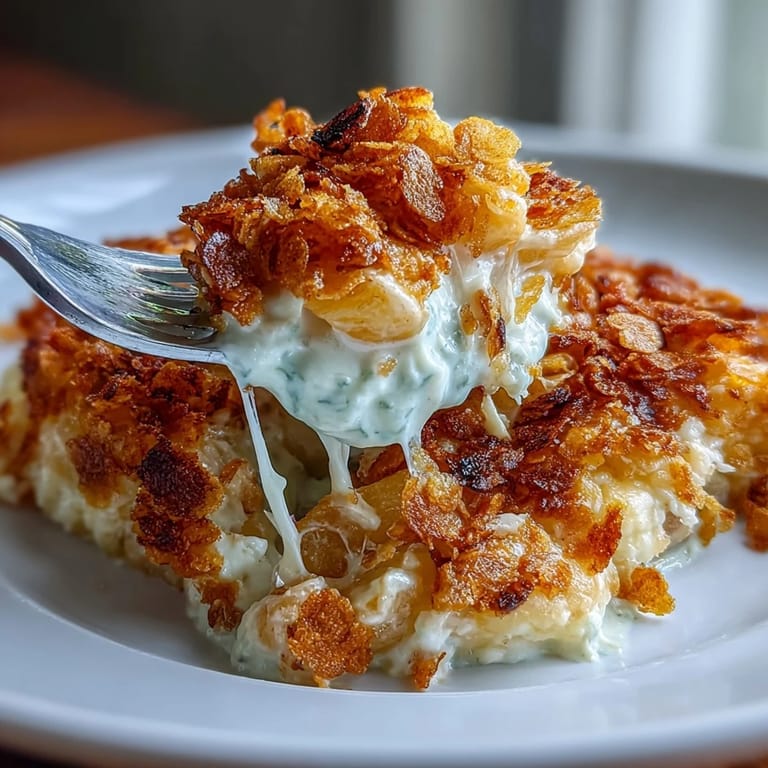
- Cornflakes (2 cups, lightly crushed) and melted butter (2 tablespoons): The cornflakes get wonderfully crispy and golden; don't crush them into dust or they'll just disappear.
Tired of Takeout? 🥡
Get 10 meals you can make faster than delivery arrives. Seriously.
One email. No spam. Unsubscribe anytime.
Instructions
- Set up your workspace:
- Preheat the oven to 350°F and grease a 9x13-inch baking dish with butter or cooking spray. Having everything ready before you start means you won't be fumbling around when the sauce is thick and waiting.
- Build the flavor base:
- Heat olive oil in a large skillet over medium heat, then add the diced onion and cook until it's translucent and soft, about three minutes. Listen for that gentle sizzle to know the temperature is right; if it's silent, turn up the heat a little.
- Add the garlic:
- Once the onion is soft, add the minced garlic and stir constantly for one minute so it wakes up without browning. The smell that fills your kitchen is the signal that everything is ready for the next step.
- Create the roux:
- Sprinkle the flour over the onion and garlic mixture and stir constantly for one full minute to cook out the raw flour taste. You want it to smell nutty and toasted, not floury and starchy.
- Whisk in the broth:
- Slowly pour in the broth while whisking to keep lumps from forming, stirring until the mixture is smooth and noticeably thickened, about two to three minutes. If you see any lumps, keep whisking; they'll disappear.
- Temper and combine the yogurt:
- Remove the pan from heat and stir in the Greek yogurt along with the onion powder, garlic powder, salt, and pepper until everything is creamy and combined. The yogurt will look a little separated at first, but keep stirring and it'll come together.
- Mix the potatoes and sauce:
- In a large bowl, combine the thawed hash browns, shredded cheddar cheese, and the yogurt sauce, stirring until every potato is coated. This is where the dish comes together; don't skimp on the mixing.
- Transfer to the baking dish:
- Spread the potato mixture evenly into the prepared baking dish, making sure there are no thick spots or thin spots. An offset spatula or the back of a spoon helps here.
- Prepare and apply the topping:
- In a small bowl, toss the lightly crushed cornflakes with melted butter until they're all coated, then sprinkle evenly over the casserole. The butter keeps them from getting soggy and helps them brown beautifully.
- Bake until golden:
- Bake uncovered for forty to forty-five minutes, until the casserole is bubbly around the edges and the cornflake topping is deep golden brown. You'll know it's done when a knife inserted in the center comes out hot.
- Rest before serving:
- Let the casserole cool for five to ten minutes so it sets slightly and stays together when you scoop it. This is the hardest part because it smells incredible, but it's worth the wait.
 Save
Save There's a moment when you pull this casserole out of the oven and the whole thing is bubbling and the cornflakes are golden and everything smells like home, and you remember why comfort food matters. It's not really about the potatoes or the cheese; it's about feeding people in a way that makes them feel cared for.
Making It Your Own
I've added chopped green onions and diced bell peppers to this casserole when I had them on hand, and both made it taste fresher without throwing off the balance. A half cup of either mixed right into the potato mixture gives you a little color and texture, plus sneaks in vegetables without anyone noticing. Some people add bacon bits or a handful of chopped fresh chives on top before serving, and that works too—just remember that you're building on something that's already solid.
Timing and Make-Ahead Options
You can assemble this casserole completely up to twenty-four hours ahead and refrigerate it before baking, though you might need to add five or ten minutes to the baking time since it'll go straight from cold to oven. I usually skip the topping until right before baking if I'm doing it ahead, because cornflakes in a humid fridge overnight turn into soggy disappointment. The best approach is to make the potato mixture in the morning and bake it that evening when you're ready to eat; it takes almost no time either way.
Serving and Storage
This casserole pairs beautifully with roast chicken, a simple green salad, or even grilled vegetables if you want to balance the richness. Leftovers keep for three to four days in the refrigerator and can be reheated gently in a 300°F oven, though the cornflake topping won't be as crispy on the second day. If you want to freeze it, do so before baking; thaw overnight in the refrigerator and add a few extra minutes to the baking time when you're ready to cook.
- Store leftovers in an airtight container to keep them from drying out and absorbing other flavors.
- If you're gluten-free, swap in gluten-free flour and cornflakes and nobody will know the difference.
- Let people know about the dairy and gluten before serving so anyone with allergies can plan ahead.
 Save
Save This is the kind of recipe that proves comfort food doesn't have to feel heavy or guilty. Make it for the people you love, and watch their faces when they realize it's actually good for them.
Recipe Questions
- → What makes this dish lighter than traditional versions?
Using Greek yogurt instead of heavy cream or sour cream reduces fat content while adding creaminess and tang.
- → Can I use gluten-free ingredients for this dish?
Yes, substituting regular flour and cornflakes with gluten-free alternatives ensures the dish is gluten-free.
- → How do I achieve a crispy topping?
Toss crushed cornflakes with melted butter and sprinkle evenly over the casserole before baking for a crunchy golden crust.
- → Is it possible to add vegetables to the dish?
Adding chopped green onions or diced bell peppers into the potato mixture boosts flavor and adds a fresh touch.
- → What kind of broth is recommended for the sauce?
Use low-sodium chicken or vegetable broth to control saltiness and complement the creamy sauce.