 Save
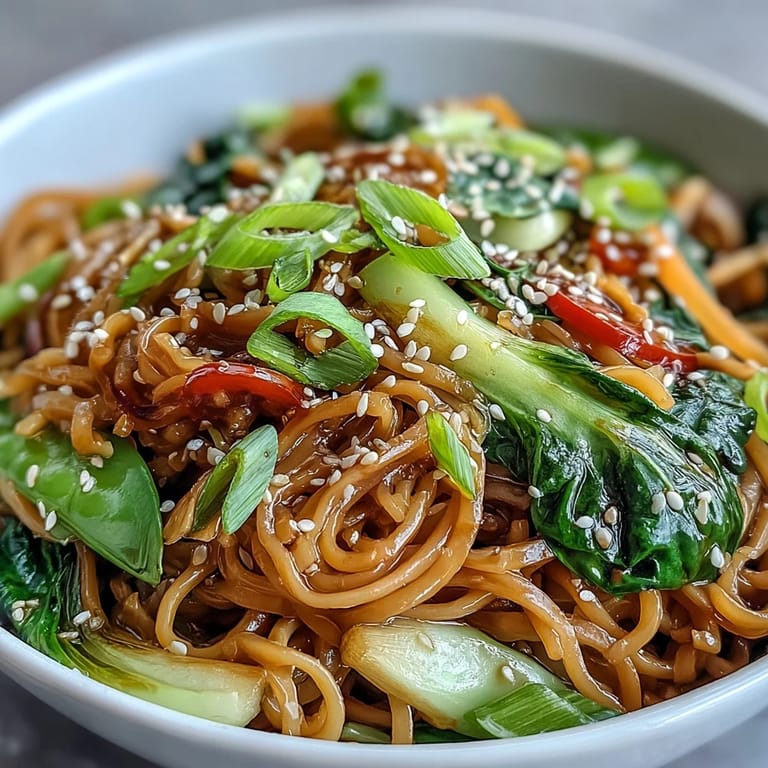
Save The first time I grabbed a package of shirataki noodles, I was skeptical—those translucent strands looked like they belonged in a science experiment, not on my dinner plate. But one harried weeknight when I needed something fast and nourishing, I decided to trust the hype. Twenty-five minutes later, I was twirling silky noodles coated in warm ginger sauce, surrounded by a rainbow of crisp vegetables, and honestly? I've never looked back. This bowl became my go-to when I want something that feels indulgent but won't derail my health goals.
I made this for my friend Maya on a drizzly afternoon when she mentioned feeling stuck in a rut with her meals. The moment she tasted that ginger sauce—the way it clung to the noodles, warm and zesty—her whole face lit up. She asked for the recipe before finishing her bowl, and now I swear she makes it more often than I do. That's when I knew it wasn't just a quick healthy meal; it was something that actually brings people joy.
Ingredients
- Shirataki noodles (400 g): These miracle noodles are practically carb-free and have a wonderfully bouncy texture once you know the trick—drain and rinse them thoroughly, then give them a quick boil and pat-dry moment to remove that funky smell some packages have.
- Bok choy (1 cup sliced): This mild green becomes silky and tender with just a minute or two in the wok, and it soaks up sauce like a dream.
- Red bell pepper (1/2, thinly sliced): The sweetness balances the savory elements beautifully, plus it adds a gorgeous pop of color.
- Snow peas (1/2 cup trimmed): Keep them crisp by adding them early so they get a quick toss before the final cook.
- Carrot (1 medium, julienned): Julienne them thin so they soften just enough to be tender but still have that satisfying crunch.
- Green onions (2, thinly sliced): Reserve some for garnish—the fresh onion bite at the end really wakes up the whole bowl.
- Tamari or gluten-free soy sauce (2 tbsp): This is your umami anchor, so don't skip it or use a diluted version.
- Rice vinegar (1 tbsp): It adds brightness without overpowering; regular vinegar will be too sharp.
- Toasted sesame oil (1 tbsp): Use the real stuff—the nutty aroma is non-negotiable and makes all the difference.
- Fresh ginger (1 tbsp finely grated): Grate it right before cooking so you capture all those spicy, warm oils.
- Garlic (1 clove minced): One clove is perfect here because the ginger is the star; too much garlic would steal the show.
- Maple syrup (1 tsp optional): Just a touch rounds out the sauce and prevents it from tasting flat or one-dimensional.
- Chili flakes (1/2 tsp optional): Add these if you like heat, or skip them if you're serving someone who prefers milder food.
- Toasted sesame seeds (1 tbsp): Toasting them yourself in a dry pan for 30 seconds takes the nuttiness from nice to absolutely necessary.
- Fresh cilantro or basil (optional): Cilantro gives an herbal freshness; basil works if you want something slightly more floral.
Tired of Takeout? 🥡
Get 10 meals you can make faster than delivery arrives. Seriously.
One email. No spam. Unsubscribe anytime.
Instructions
- Wake up the noodles:
- Drain your shirataki package and rinse them under cold running water for about a minute—this removes that slightly funky smell some packages have. Boil them in plain water for exactly 2 minutes, then drain again and spread them on a clean kitchen towel or paper towels to dry while you prep everything else; dry noodles won't get waterlogged in the sauce.
- Mix your magic sauce:
- In a small bowl, whisk together the tamari, rice vinegar, sesame oil, ginger, garlic, maple syrup, and chili flakes; the maple syrup dissolves easier if you add the wet ingredients first, and you'll actually see the oil emulsify slightly, which means it's coming together. Taste it—it should be savory with a sharp vinegar note and warm ginger spice, not overly salty or sour.
- Get your wok singing:
- Heat a large non-stick skillet or wok over medium-high heat until it's properly hot—you'll know when a droplet of water sizzles and evaporates immediately. Add the carrot, bell pepper, and snow peas and stir constantly for 2 to 3 minutes so everything gets a slight char but stays crisp and bright.
- Bring in the green elements:
- Add the bok choy and most of the green onions (save a little for garnish) and keep stirring for another 1 to 2 minutes until the bok choy just wilts at the edges; you're going for crisp-tender, not soft and mushy.
- Bring it all together:
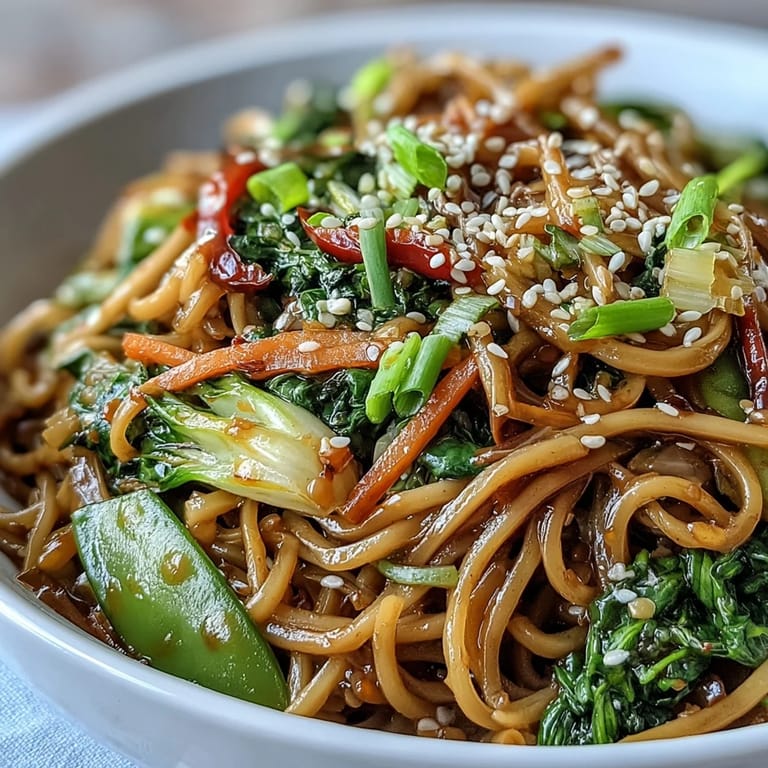
- Add your dried shirataki noodles to the pan, pour the ginger sauce all over the top, and toss everything like you mean it—get the noodles and vegetables coated evenly with that beautiful sauce. Cook for 2 to 3 minutes, stirring gently, until the noodles are heated through and everything is glossy and fragrant.
- Finish with flourish:
- Divide between two bowls and scatter toasted sesame seeds on top, add the reserved green onion slices, and tuck in some fresh cilantro or basil if you're using it; a squeeze of lime juice right before eating is optional but absolutely worth it.
 Save
Save There's something almost meditative about standing over a hot wok, watching colors brighten and hearing the sizzle of fresh vegetables meeting heat. When you add those delicate shirataki noodles and pour the fragrant sauce over everything, the kitchen fills with this warm, gingery aroma that makes you feel like you're treating yourself to something special—even though you've been cooking for barely twenty minutes. That's when this goes from being a healthy meal to being an actual comfort.
The Secret Behind Shirataki Success
For years I avoided shirataki noodles because I heard horror stories about the smell and the texture. Then I realized most people weren't treating them properly—they were throwing them straight from the package into the pan like regular pasta. Once I started the boil-and-dry routine, everything changed. Now I genuinely prefer them in stir-fries because they have this satisfying chew and absorb sauce beautifully without getting mushy or bloated like regular noodles do.
Building Layers of Flavor
The ginger sauce is really where this bowl shines, and the magic is in the layering. You've got salty umami from the tamari, brightness from the rice vinegar, richness from the sesame oil, and then that warm, almost spicy ginger note that ties everything together. The maple syrup is barely detectable, but without it the whole thing tastes a bit flat and one-note. It's a reminder that sometimes the smallest ingredients make the biggest difference.
Customizing Your Bowl
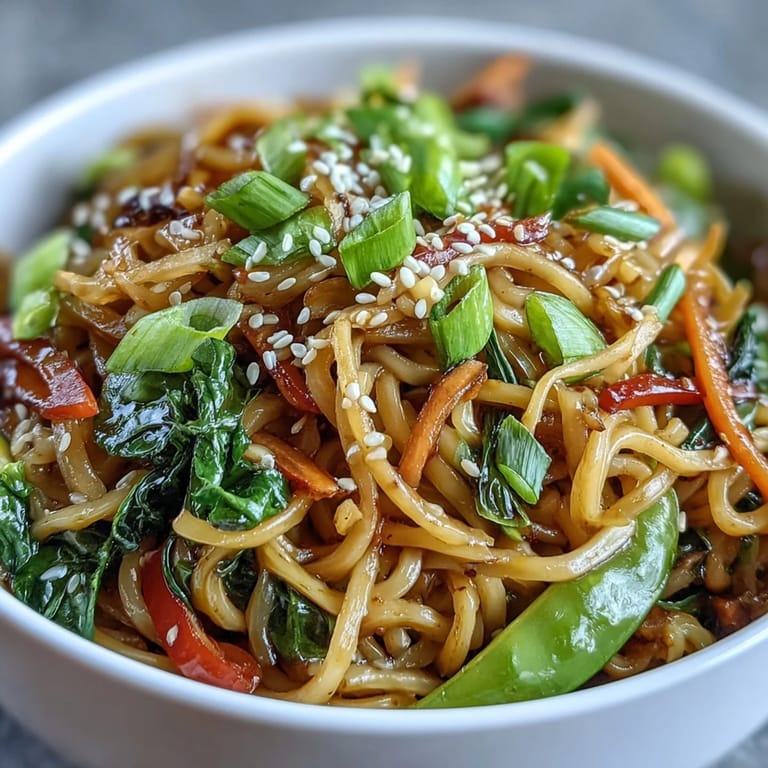
One of my favorite things about this recipe is how forgiving it is. I've made it with broccoli when that's what was in my crisper drawer, swapped in mushrooms for the bell pepper, even threw in a handful of baby spinach at the very end. The ginger sauce is robust enough to carry whatever vegetables you choose, so you can really make this your own based on what you have or what you're craving that day.
- For protein, top with grilled tofu, crumbled tempeh, or cooked shrimp if you're not eating vegan.
- A squeeze of fresh lime or a splash of more rice vinegar right before eating adds a brightness that makes everything taste fresher.
- If you like extra heat, add more chili flakes to the sauce or drizzle with sriracha after plating.
 Save
Save This bowl has become my answer to the question of how to eat well without feeling deprived. It's fast, it's nourishing, and honestly it tastes good enough that you won't miss anything about it being low-carb.
Recipe Questions
- → What do shirataki noodles taste like?
Shirataki noodles have a very mild, neutral taste that absorbs flavors beautifully. Their gelatinous texture becomes pleasantly springy after proper preparation, making them perfect vessels for savory sauces like this ginger blend.
- → Can I make this ahead of time?
The sauce can be prepared up to 3 days in advance and stored refrigerated. For best results, cook vegetables and noodles fresh, as they maintain their crisp-tender texture when served immediately after preparation.
- → Is this suitable for meal prep?
Yes, portions can be stored in airtight containers for 2-3 days. Reheat gently in a skillet or microwave, adding a splash of water if needed to refresh the sauce coating.
- → What vegetables work best in this bowl?
The combination of bok choy, bell pepper, snow peas, and carrots provides varied textures and colors. Feel free to incorporate broccoli florets, snap peas, sliced mushrooms, or shredded cabbage based on availability.
- → How do I prevent shirataki noodles from being rubbery?
Proper preparation is key: drain, rinse thoroughly under cold water, boil for 2 minutes, then pat completely dry with paper towels. This step removes the natural aroma and ensures optimal texture.