 Save
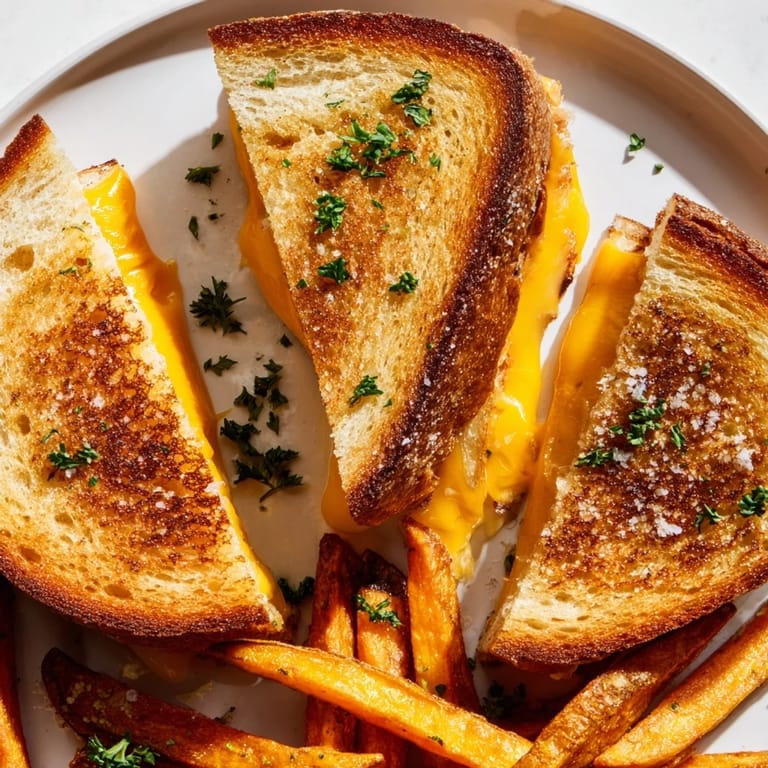
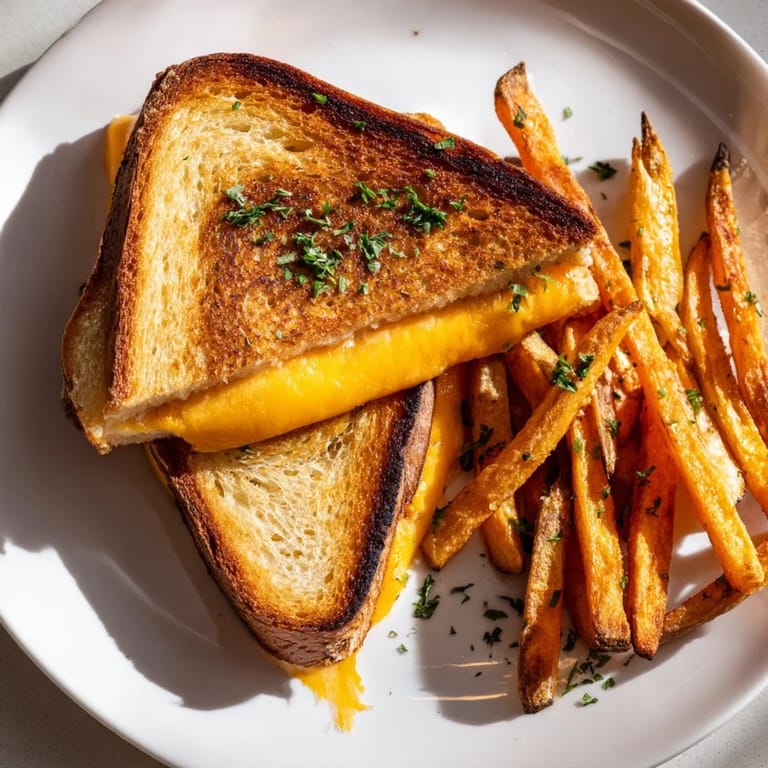
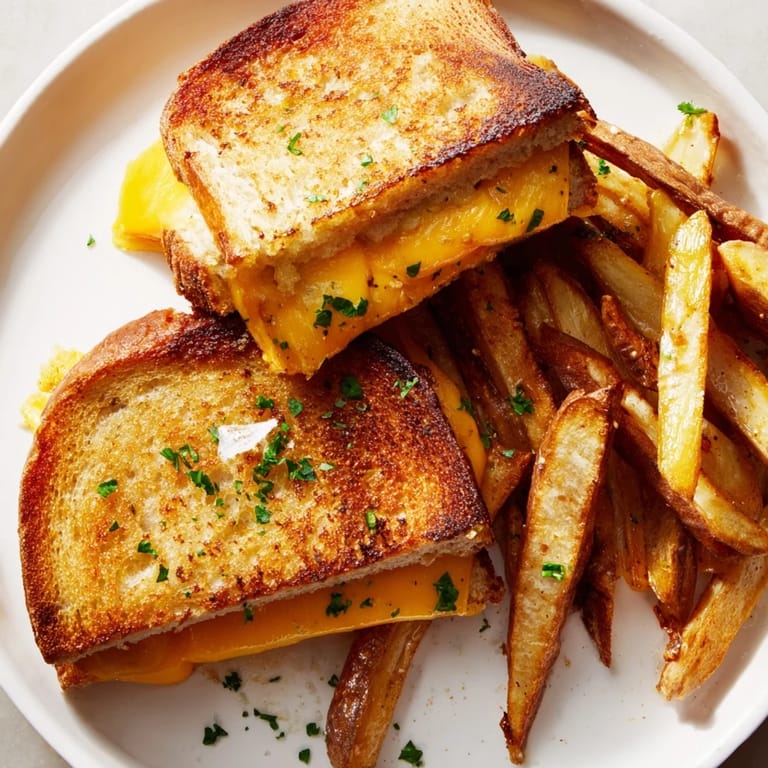
Save There's something about the smell of beef tallow heating up that takes me back to a Saturday afternoon when my dad decided we needed to make fries "the right way." He'd been reading about old-school cooking methods, and suddenly our kitchen filled with this rich, meaty aroma that was nothing like the vegetable oil we'd always used. I was skeptical at first—beef fat for fries seemed excessive—but then I bit into one and understood immediately why people had cooked this way for generations. The crispiness was unlike anything I'd made before, and when we piled them next to a grilled cheese sandwich, it felt like we'd unlocked some secret comfort-food formula.
I made this meal for my roommate on a freezing evening when neither of us felt like going out, and watching her face light up when she tasted those fries was worth every minute spent soaking potatoes and managing oil temperature. She asked me how I made them so good, and I realized it wasn't some magic ingredient—it was just patience and actually caring about each step. That night turned into one of those unexpected moments where simple food became a memory because of who you shared it with.
Ingredients
- Russet potatoes: The starch content in russets makes them ideal for fries; they soak up the tallow beautifully while staying crispy on the outside.
- Beef tallow: This rendered beef fat has a higher smoke point than most oils and imparts a subtle savory richness that elevates the fries beyond ordinary.
- Kosher salt and black pepper: Don't skip seasoning the fries while they're still warm—this is when they absorb flavor best.
- Fresh parsley: A small garnish adds color and a fresh note that cuts through the richness of the tallow.
- Sourdough bread: The tanginess of sourdough balances the richness of the cheese and butter in ways white bread simply doesn't.
- Sharp cheddar cheese: Sharp varieties have more flavor per slice, so you won't need to pile on excessive cheese for a satisfying sandwich.
- Unsalted butter: Softening it before spreading ensures even coverage and a more uniform golden crust.
- Mayonnaise: This optional addition creates extra crispness by adding fat and moisture that browns beautifully.
Tired of Takeout? 🥡
Get 10 meals you can make faster than delivery arrives. Seriously.
One email. No spam. Unsubscribe anytime.
Instructions
- Soak your potatoes:
- Cut your russets into quarter-inch sticks and submerge them in cold water for at least 30 minutes. This removes excess starch and helps them cook evenly. Pat them completely dry with paper towels before frying—any water left on them will cause spattering and prevent that crispy crust from forming.
- First fry at low temperature:
- Heat your beef tallow to 325°F and fry the potatoes in batches for 4 to 5 minutes until they're tender but still pale. Think of this as cooking them through without browning. Remove them to paper towels and let them cool slightly.
- Second fry for the golden finish:
- Raise the temperature to 375°F and fry each batch again for 2 to 3 minutes, watching until they turn deep golden and the edges crisp up. The contrast between the two temperatures is what gives you that crispy exterior and creamy interior.
- Season immediately:
- Toss the hot fries with salt, pepper, and parsley while they're still steaming. The heat helps the seasonings stick better than adding them after they cool.
- Build your grilled cheese:
- Spread softened butter on one side of each bread slice, adding a thin layer of mayo if you want extra richness. Layer one or two slices of sharp cheddar between two pieces of sourdough, buttered sides facing outward.
- Toast until melted:
- Heat a skillet over medium heat and cook each sandwich for 3 to 4 minutes per side, pressing gently with a spatula as it cooks. You want golden-brown bread and cheese that's completely melted and slightly oozing.
- Serve hot:
- Plate everything immediately while the fries are still crispy and the cheese is still warm enough to stretch.
 Save
Save Years later, I still think about the time someone told me they preferred my grilled cheese to a restaurant version they'd paid twice as much for. It wasn't fancy—just good butter, good bread, good cheese—but the real secret was that I'd actually paid attention while making it. Comfort food doesn't need to be complicated; it just needs to be made with intention.
Why the Double-Fry Matters
The double-fry technique isn't just tradition for tradition's sake—it's actually physics. The first fry at a lower temperature cooks the potato all the way through without browning the outside, which would lock in moisture and leave you with greasy fries. The second fry at higher temperature flash-crisps the exterior while the inside stays fluffy. I learned this the hard way after one disastrous attempt where I tried to save time and did a single fry at 375 degrees, ending up with fries that were burnt outside and raw in the middle. Now I'm religious about those two temperatures.
About Your Beef Tallow
Good beef tallow is worth seeking out because it makes an enormous difference in flavor and texture. If you can't find it at your butcher, duck fat works beautifully as a substitute, though it's usually more expensive. Some people worry about the saturated fat content, but remember that the fries aren't sitting in oil—they're only in contact with the tallow briefly, and most of the fat drains away on paper towels. The key to less greasy fries isn't avoiding good fat; it's making sure your oil is hot enough that the exterior seals quickly instead of absorbing fat.
Grilled Cheese Variations and Timing Tips
The beauty of this meal is how flexible it is while still being impressive. I've made it with sharp cheddar alone, and I've layered it with Gruyère for something more sophisticated. The mayonnaise trick is subtle but real—it makes the bread even more golden and crispy than butter alone because it browns at a slightly different temperature. One afternoon I made these for a group and added a thin slice of tomato, which sounds simple but cut through the richness perfectly. Just don't go overboard with additions, or you'll end up with a soggy sandwich instead of the crispy masterpiece you're after.
- Medium heat is crucial; too high and the bread burns before the cheese melts, too low and you end up with pale, greasy sandwiches.
- Pressing gently with a spatula as it cooks helps the heat distribute evenly and gets the bread to brown faster.
- If you're making multiple sandwiches, keep the finished ones warm in a 200°F oven so they stay crispy and hot until serving.
 Save
Save This meal is pure comfort, the kind of food that reminds you why simple combinations done well are better than anything overcomplicated. Make it when you want to feel like someone cared about the effort.
Recipe Questions
- → Why use beef tallow for frying fries?
Beef tallow imparts a rich, savory flavor and creates an ultra-crispy texture due to its high smoke point and fat composition.
- → How to achieve extra crispy fries?
Double frying the potatoes—first at a lower temperature to cook through, then at a higher temperature to crisp—ensures a crunchy exterior and tender inside.
- → What bread works best for the cheese sandwich?
Sourdough bread is ideal as it toasts evenly, offering a sturdy yet tender base for melting sharp cheddar cheese.
- → Can the sandwich be made more flavorful?
Adding mayonnaise or butter on the bread before grilling enhances crispness and adds richness to the sandwich.
- → Are there vegetarian adjustments possible?
Yes, substitute beef tallow with vegetable oil for frying and use vegetarian cheese options to suit dietary preferences.
- → How to garnish the fries?
Sprinkle chopped fresh parsley after frying for a pop of color and subtle herbaceous note.