 Save
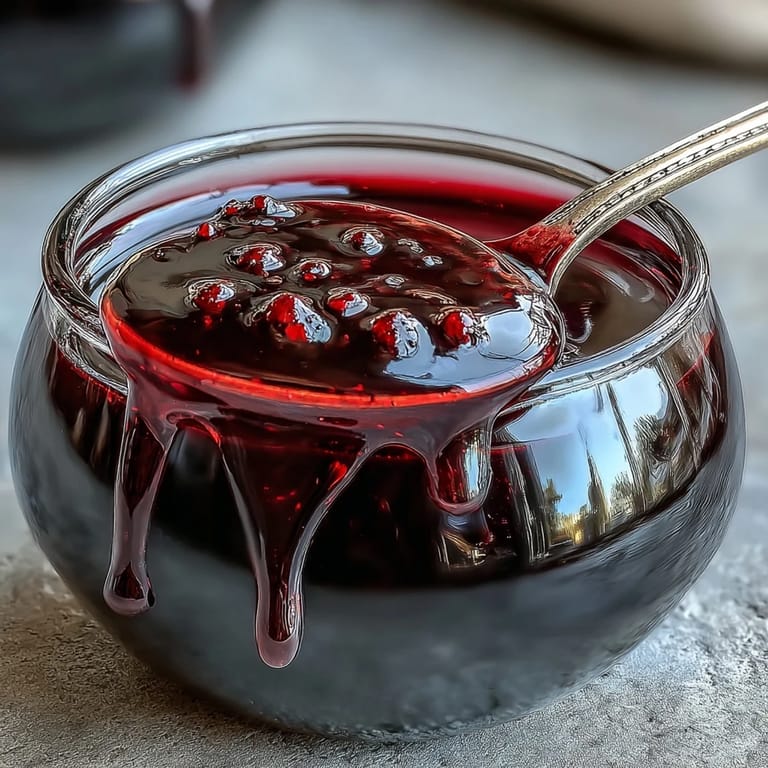
Save There's a moment every summer when my local market overflows with black currants, dark as midnight and humming with possibility, and I find myself standing there deciding whether to make jam or something different. One July, I chose syrup instead, and watching those glossy berries split open in the pan, releasing their deep burgundy essence into the steam, felt like capturing liquid jewels. The kitchen smelled impossibly bright and tart, nothing like the heavy sweetness of jam, and I knew immediately this would become my secret weapon for elevating everything from a simple glass of sparkling water to a forgotten bottle of gin.
I brought a jar to a dinner party last month, and a friend poured it over vanilla ice cream mid-conversation, tasted it, and went completely silent for a moment. Then she asked if I could make her ten jars for her wedding favors. That's when I realized this wasn't just a condiment—it was the kind of small gesture that makes people feel genuinely cared for.
Ingredients
- Fresh or frozen black currants (500 g): The heart of everything here, and honestly, frozen work beautifully if fresh aren't available—they actually release their juice faster because the ice crystals have already broken down the cell walls.
- Granulated sugar (400 g): This amount balances the tartness perfectly, but don't skip tasting as you go because black currants vary wildly in acidity depending on the season.
- Water (250 ml): Just enough to coax the juice out without drowning the flavor—too much and you're chasing thickness at the end.
- Lemon juice (1 tbsp, optional): A tiny splash that somehow makes the black currant flavor brighter and more itself, though I skip it if the berries are already particularly tart.
Tired of Takeout? 🥡
Get 10 meals you can make faster than delivery arrives. Seriously.
One email. No spam. Unsubscribe anytime.
Instructions
- Start with clean currants:
- Rinse them gently under cold water, pinching off any stems or leaves—this takes two minutes and makes an enormous difference in the final clarity and taste of your syrup.
- Bring juice to the surface:
- Combine the currants and water in a medium saucepan and let them heat slowly to a gentle simmer, stirring now and then, for 10–12 minutes until they've completely burst and the water has turned that stunning dark purple.
- Strain with intention:
- Pour everything through a fine-mesh sieve into a bowl, then use the back of a wooden spoon to press the softened berries, coaxing out every drop of juice—this is where the real flavor lives, so don't rush it.
- Dissolve and thicken:
- Return the strained juice to the pan, add sugar and lemon juice if using, and stir until the sugar dissolves completely, then bring to a gentle boil and reduce to a simmer for 10–15 minutes, watching as it gradually becomes thicker and more luxurious.
- Cool and bottle:
- Let the syrup cool to room temperature—it will thicken a bit more as it cools, which is exactly what you want—then pour into clean glass jars and refrigerate.
 Save
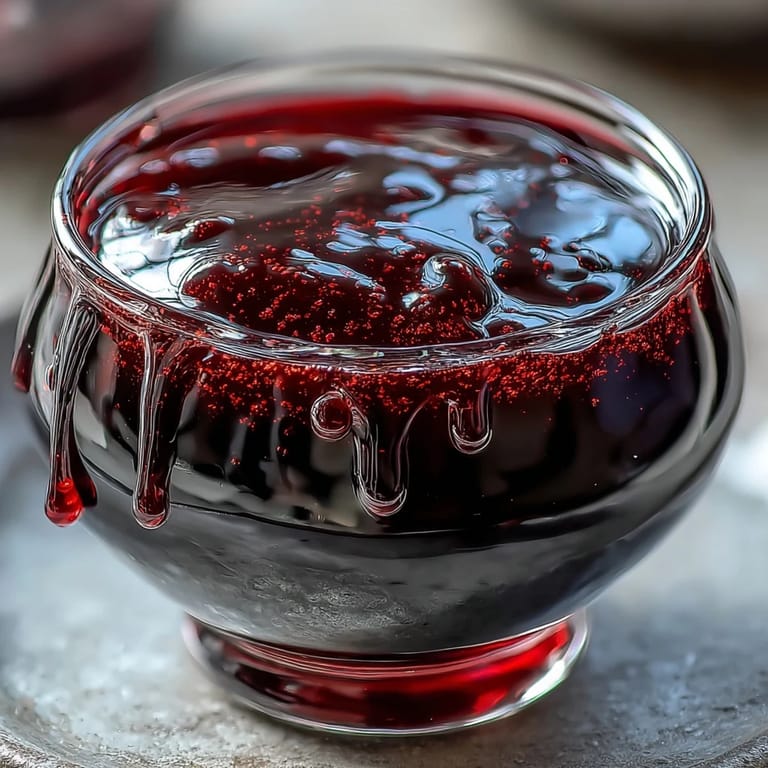
Save My grandmother used to say that good condiments are like good friends—they quietly improve everything around them without demanding attention. This syrup does exactly that, sliding into moments you didn't even realize needed it.
When to Use This Syrup
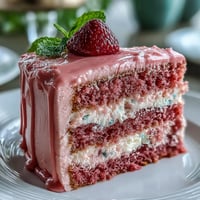
I've learned through happy accidents that this works in far more situations than I initially imagined. Swirl it into plain yogurt for breakfast, drizzle it over cheesecake, mix it into sparkling water for an instant fancy drink, or even brush it onto a vanilla cake layer before frosting. The tartness cuts through richness beautifully, which is why it pairs especially well with cream-based desserts and spirits that benefit from complexity.
Storage and Making It Last
Store your finished syrup in sterilized glass jars in the refrigerator, where it keeps for about a month—though honestly, it rarely lasts that long in my house. If you want to extend its life or give it as gifts, you can sterilize the jars properly using boiling water or an oven, which allows for shelf-stable storage, though I prefer the simplicity of keeping it cold and using it quickly.
Making It Your Own
The beauty of this syrup is how willing it is to play with other flavors once you understand the base technique. I've added a whisper of vanilla bean during simmering, stirred in a pinch of cardamom, or even muddled a few fresh mint leaves in the finished syrup for unexpected depth. The ratio of fruit to sugar to time is what matters most, so once you grasp that, you can confidently improvise.
- If you like things thicker, keep simmering for an extra 5–10 minutes, but taste as you go because there's a fine line between luxurious syrup and accidentally making jam.
- You can absolutely substitute honey for the sugar if you want a different flavor profile, just adjust the amount slightly since honey is sweeter and less crystalline.
- Always use sterilized jars to avoid unwanted fermentation, and wipe the outside clean before storing so your refrigerator doesn't get sticky.
 Save
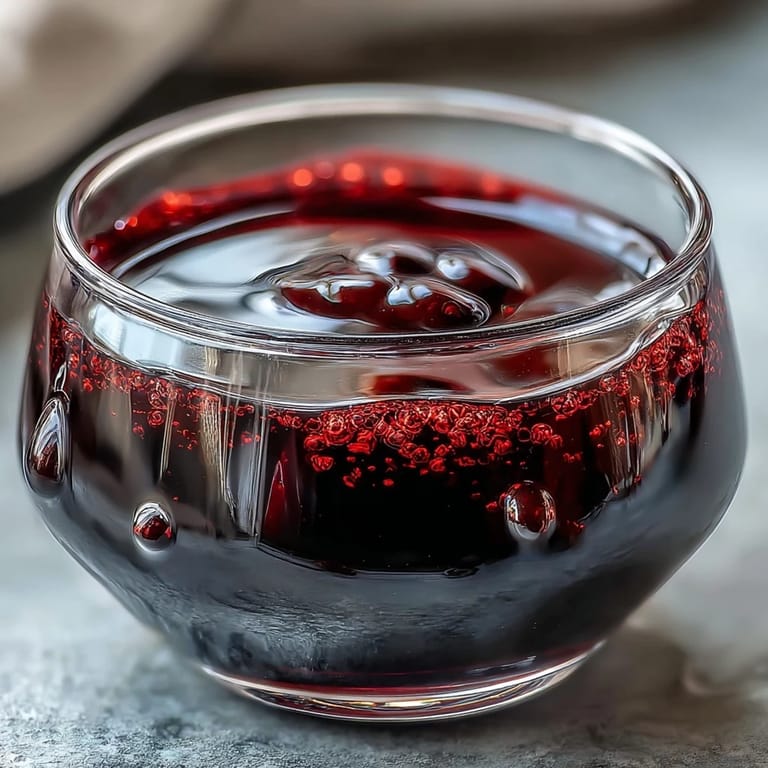
Save This syrup has become one of those recipes I make almost without thinking, the way someone else might make coffee. It's simple enough to feel casual but refined enough to impress, which is exactly the kind of magic I try to create in my kitchen.
Recipe Questions
- → Can I use frozen black currants instead of fresh?
Absolutely. Frozen black currants work just as well as fresh and often release their juices more readily during the initial simmering step. No need to thaw before using—simply add them directly to the saucepan with water.
- → How long does this syrup keep in the refrigerator?
Properly stored in sterilized glass jars, this syrup will keep for up to one month in the refrigerator. The high sugar content acts as a natural preservative. Always use a clean spoon when scooping to prevent contamination.
- → What's the best way to strain the mixture?
A fine-mesh sieve works well for a clearer syrup, while cheesecloth yields an ultra-smooth result. For maximum extraction, let the mixture cool slightly before straining, then press firmly with the back of a spoon to capture all the flavorful juices.
- → Can I reduce the amount of sugar?
You can reduce sugar slightly, but keep in mind that sugar helps preserve the syrup and contributes to its texture. For a lower-sugar version, consider storing smaller batches and using them within two weeks. Honey or maple syrup can substitute, though they'll alter the flavor profile.
- → What's the difference between syrup and cordial?
This recipe produces a syrup with a roughly 1:1 fruit-to-sugar ratio, resulting in a thick, sweet consistency. Cordials typically contain less sugar and more fruit juice. If you prefer a lighter consistency, reduce the simmering time slightly or add a bit more water.
- → Why add lemon juice?
Lemon juice serves two purposes: it brightens the overall flavor and enhances the natural tartness of black currants, and its acidity helps preserve the syrup's vibrant purple color. It's optional but recommended for the best flavor balance.