 Save
Save My neighbor stopped by one chilly afternoon with an armful of celery from her garden, and I realized I'd been cooking the same five soups on repeat for months. That evening, I decided to lean into what she'd brought me, and somewhere between the sizzle of butter and the green smell of fresh dill, something clicked. This soup became the thing I reach for when I want comfort that doesn't feel heavy, when the kitchen needs to smell like herbs and possibility.
I made this for my sister the week after her job fell through, and she sat at my kitchen table with a bowl warming her hands, saying almost nothing. But she came back the next day asking for the recipe, and I knew right then that food does something words sometimes can't. That bowl meant I was listening, that I believed things would get better, and honestly, that I cared enough to use the good cream.
Ingredients
- Unsalted butter: Two tablespoons might seem modest, but it's the foundation for building flavor without overpowering the delicate vegetables.
- Medium onion: Chopped into small pieces so it melts into the background and sweetens everything as it cooks.
- Celery stalks: Six stalks are what gives this soup its soul and distinctive, clean flavor that feels almost mineral.
- Medium potato: This does the invisible work of making the soup creamy without needing cream, and it adds body that feels genuinely nourishing.
- Garlic cloves: Just two, minced finely, because you want the suggestion of garlic, not a shout of it.
- Vegetable broth: Four cups of good broth matters more than you'd think; taste it first if you can.
- Whole milk or plant-based milk: One cup stirred in at the end, which softens the edges and makes everything silky.
- Bay leaf: A single leaf adds depth that disappears the moment you remove it, leaving only mystery behind.
- Fresh parsley: Two tablespoons chopped, plus extra for the top, because it's bright and it makes people feel like you care about presentation.
- Fresh dill: One tablespoon chopped; this is the secret weapon that makes everyone ask what's in here.
- Fresh chives: One tablespoon chopped, for a whisper of onion flavor that doesn't compete with anything else.
- Salt and black pepper: Season generously at the end, because vegetables need permission to taste like themselves.
- Heavy cream or crème fraîche: Optional, but a drizzle on top turns an everyday soup into something you'll remember.
- Crusty bread: For tearing into while you eat, which is half the pleasure.
Tired of Takeout? 🥡
Get 10 meals you can make faster than delivery arrives. Seriously.
One email. No spam. Unsubscribe anytime.
Instructions
- Melt the butter and soften the onion:
- Set a large pot over medium heat and let the butter foam and turn golden, which takes maybe a minute. Add your chopped onion and listen for that gentle sizzle, stirring now and then for three to four minutes until the pieces turn translucent and soft.
- Add the celery and potato:
- Dump in your sliced celery and diced potato, and you'll notice the texture changes and everything starts to stick together slightly. Keep stirring every minute or so for five to seven minutes, letting the vegetables soften and release their flavors into the melted butter.
- Bloom the garlic:
- Add your minced garlic and stir for exactly one minute; you want that raw edge to disappear but not burn.
- Build the broth base:
- Pour in your vegetable broth, drop in the bay leaf, and bring everything to a simmer. Cover the pot and let it bubble gently for fifteen to eighteen minutes until the celery and potato are so tender they practically fall apart when you touch them.
- Finish with herbs and milk:
- Fish out the bay leaf with a spoon, then stir in your milk and all the fresh herbs at once. Let it simmer for two more minutes so the dill and parsley release their fragrance into the warm liquid.
- Blend until silky:
- Using an immersion blender right in the pot, move it in circles and up and down until the soup turns completely smooth and creamy. If you're using a countertop blender, work in batches and be careful with the hot liquid.
- Taste and season:
- Pour the blended soup back into the pot if needed, then taste it before adding salt and pepper. Sometimes a tiny pinch of nutmeg whispers in here too, if you're feeling it.
- Serve with ceremony:
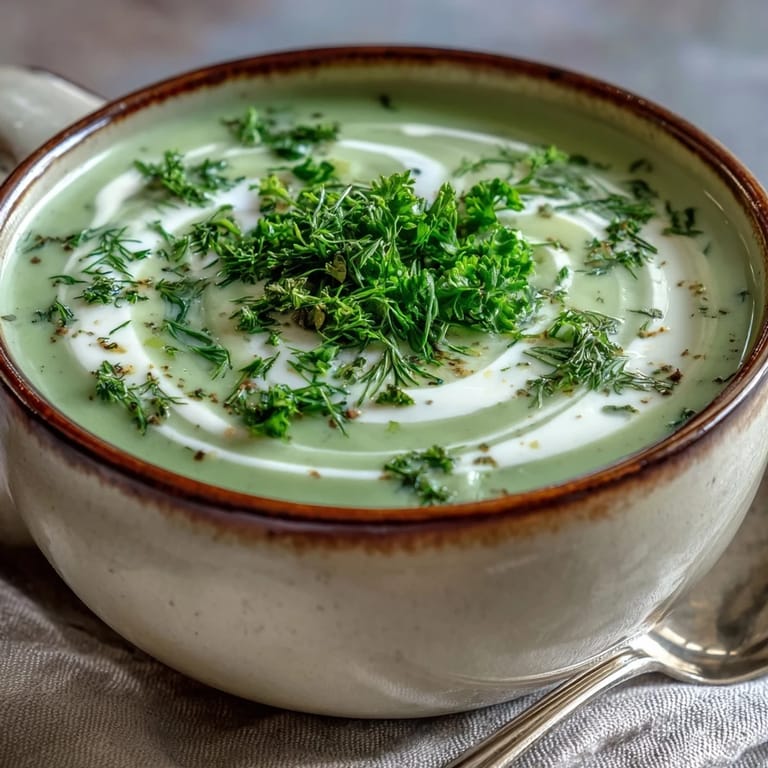
- Ladle the hot soup into bowls, drizzle with a little cream if you have it, and scatter fresh herbs on top. Serve immediately with bread for tearing.
 Save
Save I've learned that the best soups are the ones that make someone sit still for a minute in the middle of a chaotic day. This one does that, and maybe that's enough.
When Fresh Herbs Make All the Difference
There's a version of this soup I made once with dried herbs from a tin in the back of my cupboard, and it was fine but forgettable. The day I switched to fresh dill from the farmers market, something shifted. The soup suddenly had personality, brightness, a reason to be made. Fresh herbs cost more and wilt faster, but they're worth it because they're the difference between a soup you eat and a soup you think about later.
Making It Your Own
This recipe is honestly just a starting point. I've made it with white wine splashed in after the onions, which adds richness and a subtle depth. I've added a pinch of nutmeg that somehow makes everything taste more like itself. I've stirred in a handful of spinach at the very end, and it wilts into green flecks that make it feel more substantial. One winter I roasted the celery first for a deeper, almost caramelized flavor. The potato can become parsnip, the milk can stay out entirely, or you can swirl in a dollop of something tangy at the end. The point is, taste as you go and trust your instincts.
Storage and Make-Ahead
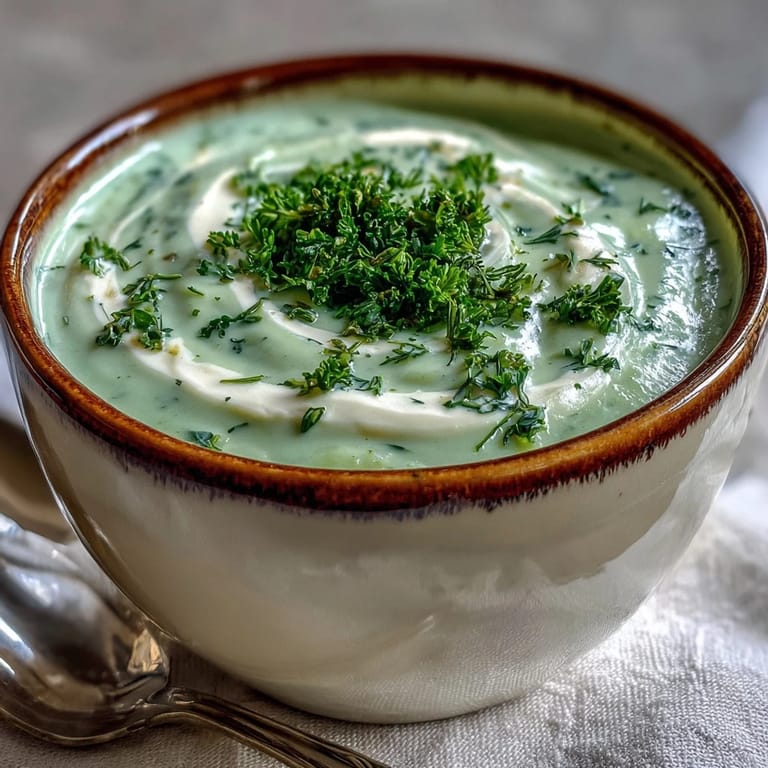
This soup freezes beautifully for up to three months if you skip the cream garnish; just let it cool completely and pour it into containers, leaving a little headroom because it expands. To reheat, thaw overnight in the refrigerator if you have time, then warm it gently over medium heat, stirring often so it doesn't catch on the bottom. If it separates or looks thin after freezing, that's normal; just simmer it for a few minutes and taste again for seasoning. Here's the thing about soups: they often taste even better the next day after the flavors have had time to mingle.
- Make it on Sunday so you have lunch ready for the busy days ahead.
- Store it in glass containers if you can, because the color stays brighter and it tastes fresher somehow.
- Always reheat gently and taste before serving, because reheating can mellow flavors and you might need a pinch more salt or pepper.
 Save
Save This soup is what I make when I want to feel like I'm taking care of people, including myself. It's simple enough that you'll make it again, and good enough that you'll be proud when you do.
Recipe Questions
- → Can I make this soup ahead of time?
Absolutely. This soup keeps well in the refrigerator for 3-4 days. The flavors actually develop and deepen overnight. Add the cream garnish just before serving for the best presentation.
- → Is this suitable for freezing?
Yes, freeze the soup without the cream swirl for up to 3 months. Thaw overnight in the refrigerator, then reheat gently on the stovetop. Add a splash of milk if it seems too thick after thawing.
- → What can I serve with this soup?
Crusty bread or crackers are classic choices. A simple green salad with vinaigrette balances the richness. For a protein boost, serve alongside grilled cheese or add cooked white beans directly into the soup.
- → Can I use dried herbs instead of fresh?
Fresh herbs provide the brightest flavor, but dried work in a pinch. Use one-third the amount: 1 teaspoon each of dried parsley and dill. Add chives at the end as they don't dry well. Taste and adjust seasoning accordingly.
- → How do I achieve the smoothest texture?
Blend thoroughly with an immersion blender for 2-3 minutes. If using a countertop blender, work in batches and vent the lid to release steam. For ultra-silky results, pass the blended soup through a fine-mesh sieve.
- → Why add potato to celery soup?
The potato acts as a natural thickener, adding body and creaminess without overwhelming the delicate celery flavor. It also helps balance the slight bitterness that raw celery can have, creating a more rounded taste.