 Save
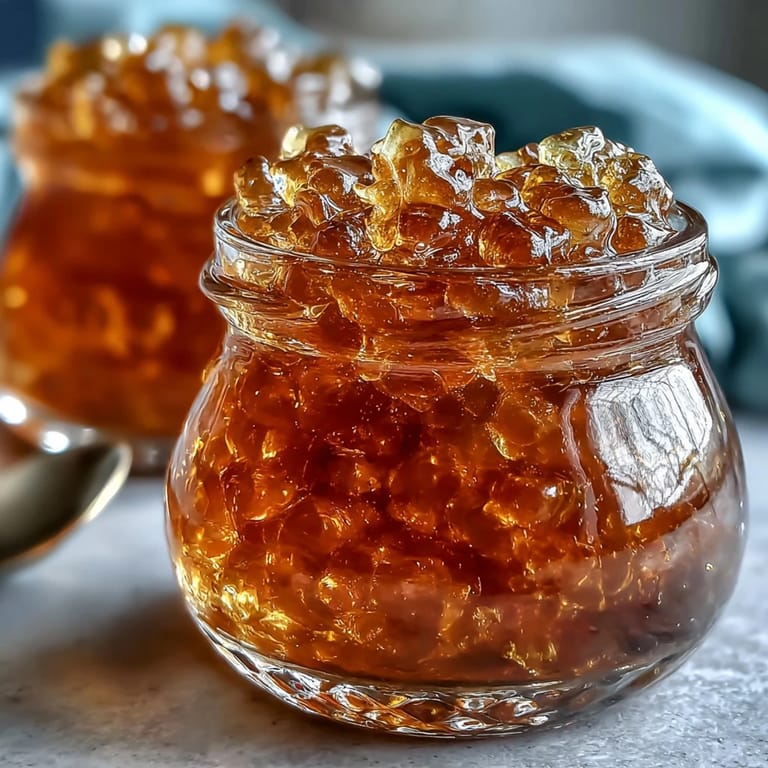
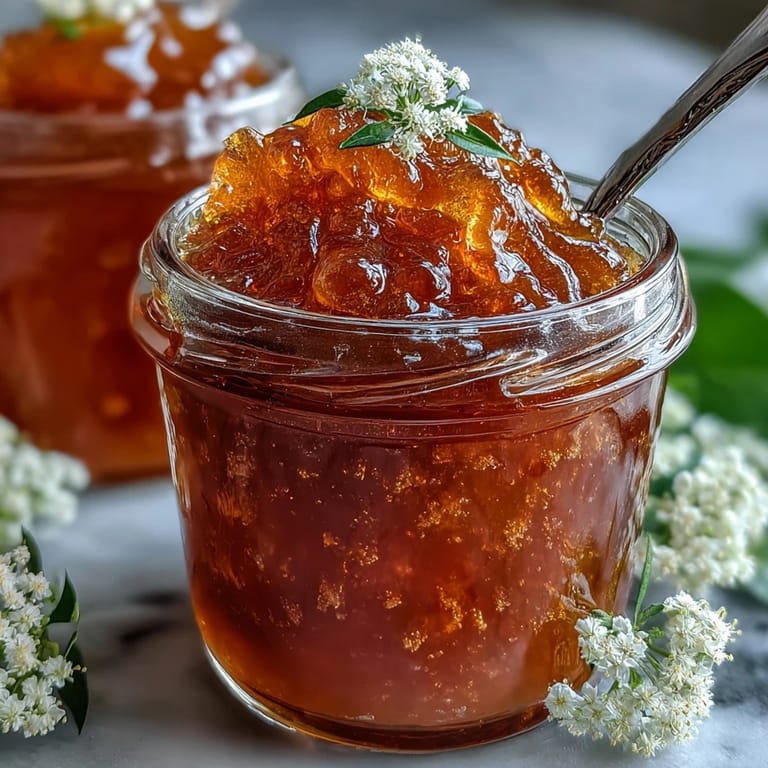
Save My neighbor's wild yard taught me more about foraging than any cookbook ever could. One spring morning, she handed me a basket of dandelion petals and said, "Make something beautiful with these before I mow." I'd walked past those golden flowers a hundred times, never imagining they could become something so elegantly floral and sweet. That first jar of dandelion jelly, glowing amber in the sunlight, felt like I'd captured spring itself in glass.
I brought three jars to a friend's tea party, and watching her taste it was unforgettable. She closed her eyes and said it tasted like flowers smell, which is exactly what I'd been trying to achieve. From that moment on, dandelion jelly became my answer to the question "What do you bring when you want to impress without trying too hard?"
Ingredients
- Dandelion petals (2 cups, yellow parts only): These are the heart of the recipe—seek out flowers from clean areas far from roads and pesticides, and pinch off every bit of green because even a hint of sepal will make the jelly taste bitter and grassy.
- Water (4 cups): This becomes your infusion base, so if you have filtered or spring water on hand, use it for a cleaner, more delicate result.
- Lemon juice (2 tablespoons, freshly squeezed): This brightens the floral notes and helps the jelly set; bottled won't give you quite the same balance, so squeeze fresh lemons if you can.
- Powdered fruit pectin (1 package, 1.75 oz): The magic ingredient that transforms liquid into gel, and standard pectin works beautifully here—no need for fancy varieties.
- Granulated sugar (4 cups): This is what makes the jelly hold its shape and sparkle on the spoon; don't be tempted to skip it or substitute honey, as the chemistry won't work the same way.
Tired of Takeout? 🥡
Get 10 meals you can make faster than delivery arrives. Seriously.
One email. No spam. Unsubscribe anytime.
Instructions
- Prepare your petals with care:
- Gently remove every scrap of green sepal and stem—this is the step that separates gorgeous jelly from disappointing batches. Rinse them softly under cool water, letting your fingers do the work rather than rushing it.
- Steep the flowers into golden infusion:
- Bring the petals and water to a boil, then let them simmer together for just 5 minutes before covering the pot and walking away for 4 hours (or overnight if you want deeper flavor). You'll notice the water slowly turning pale yellow, like bottled sunshine.
- Strain and measure your liquid gold:
- Pour everything through cheesecloth or a fine sieve, pressing gently on the petals to coax out every drop—you're aiming for about 3½ to 4 cups of clear, fragrant infusion. Discard the spent petals and resist the urge to squeeze hard, which only extracts bitterness.
- Combine infusion with pectin and acid:
- In your largest pot, pour the dandelion infusion and stir in the lemon juice and pectin until completely smooth, then crank the heat to high and bring everything to a rolling boil that you can't stir down. This is the moment the kitchen starts smelling like a spring garden mixed with something primly domestic.
- Add sugar and reach setting point:
- Dump all 4 cups of sugar in at once while stirring constantly, then return to a hard boil and watch your timer closely—you want 1 to 2 minutes at a rolling boil, or until the jelly reaches 220°F on a candy thermometer. If you don't have a thermometer, use the wrinkle test: drop a spoonful on a chilled plate and push it with your finger; if it wrinkles and doesn't run, you're done.
- Finish and jar your jelly:
- Skim off any foam with a spoon, then ladle the hot jelly into sterilized jars leaving ¼-inch at the top, wipe the rims clean, and seal with lids. Process in a boiling water bath for 10 minutes so your jars seal with that satisfying pop.
- Cool with patience:
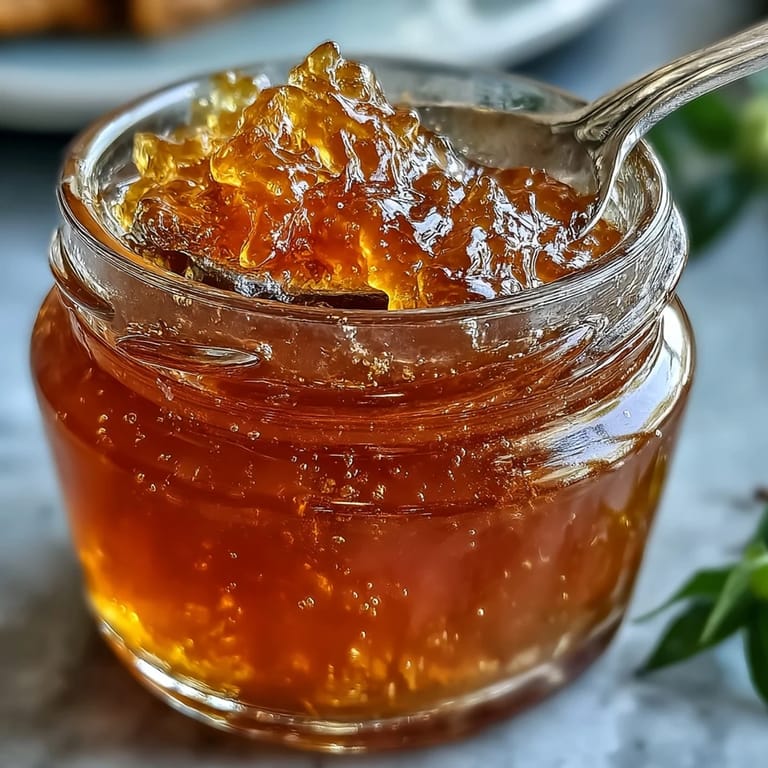
- Let the jars sit completely undisturbed for 12 hours—this is when the magic really happens and the jelly sets into that perfect, spoonable consistency. Check that each lid has sealed (the top should be slightly concave and not flex when pressed), and store your jars in a cool, dark place where they'll keep for up to a year.
 Save
Save There's something almost meditative about watching those petals transform in the pot, knowing you're turning weeds into something people will serve on their finest china. My friend now forages her own dandelions each spring specifically so she can make this jelly, and she's recruited half her neighborhood into the ritual.
When to Forage and Where to Look
Spring is prime dandelion season, roughly April through May in most climates, when the flowers are most tender and flavorful. Seek them out in yards and meadows that have never been sprayed—ask neighbors, explore community gardens, or venture to quiet roadsides where no pesticides have touched the soil. Pick in the morning after the dew has dried but before the afternoon heat intensifies the plant's bitterness, and trust your instincts about whether a location feels clean and safe.
Troubleshooting Your Jelly
If your jelly turned out too thick and rubbery, the boiling time was too long or the temperature too high—next time, aim for the lower end of the timing range and trust the thermometer. Too soft and syrupy means you didn't reach temperature, so add a squeeze more lemon juice, reboil, and try again with the same jars (it works, though the flavor becomes slightly more concentrated). Cloudiness usually happens when you squeezed the petals too hard during straining, and while it doesn't affect taste, a gentler hand next time will reward you with jewel-like clarity.
Ways to Use Your Dandelion Jelly
Spread it on warm toast and watch it pool into the holes, or pair it with soft cheese on a cheese board where it becomes the unexpected star. Dollop it on pancakes, swirl it into yogurt, brush it over cake layers before frosting, or thin it with a little warm water to make a delicate glaze for roasted chicken. One friend even melted a jar into champagne for a springtime cocktail that tasted like flowers and celebration.
- A jar of this jelly makes a genuinely memorable gift that tastes handmade and thoughtful in a way store-bought preserves never quite capture.
- If you end up with extra infusion, you can steep it with herbal tea or use it to make dandelion cordial by sweetening and bottling it without the pectin.
- Remember that sealed jars are your safety net—only serve jelly from properly sealed containers, and if a seal fails after cooling, refrigerate that jar and use it within a few weeks.
 Save
Save This jelly has become my way of saying thank you to spring and to the people I cook for—it's humble and elegant all at once. Make a batch, and you'll understand why foraging isn't just about food; it's about noticing the gifts growing right in front of us.
Recipe Questions
- → How do I prepare dandelion petals for this jelly?
Remove all green parts such as sepals and stems to avoid bitterness. Rinse petals gently to clear debris before use.
- → What is the steeping time for the dandelion infusion?
After simmering the petals, steep the mixture covered for about 4 hours or overnight for a stronger flavor.
- → Can I adjust the sweetness of this jelly?
Yes, reducing sugar slightly and using low-sugar pectin will create a less sweet final product.
- → What tools are essential for making this jelly?
You will need a large saucepan, fine mesh sieve or cheesecloth, canning jars with lids, a ladle, and a boiling water bath canner.
- → How should the jelly be stored after preparation?
Seal jars in a boiling water bath for 10 minutes, let cool undisturbed for 12 hours, then check seals before storing in a cool place.