 Save
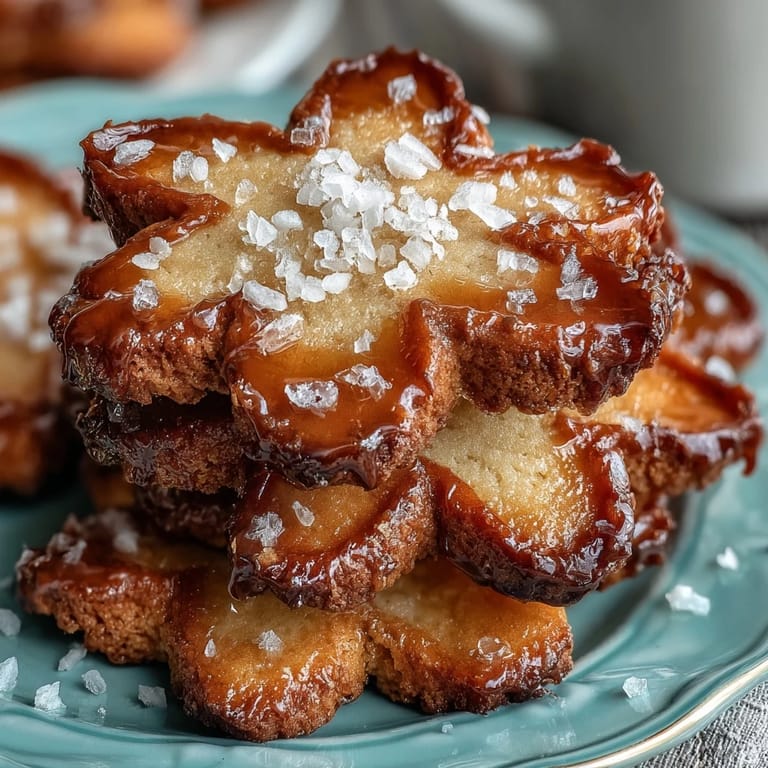
Save My neighbor brought over a tin of flower-shaped shortbread one Easter, and I couldn't stop eating them straight from the box while standing in her kitchen. The butter practically melted on my tongue, and there was this subtle vanilla note that made each bite feel intentional rather than rushed. That afternoon, I decided these cookies deserved a permanent spot in my baking rotation, so I tracked down her recipe and made them my own. What surprised me most was how forgiving the dough turned out to be—no fancy techniques required, just good butter and restraint.
I made these for my daughter's piano recital tea party last spring, and watching her carefully arrange them on a tiered stand while humming Chopin is something I'll never forget. One cookie fell on the floor, and instead of panicking, she just laughed and ate it herself, which felt like the most honest food moment we'd shared in months. That's when I realized these cookies aren't really about perfection—they're about creating small, edible reasons to slow down together.
Ingredients
- Unsalted butter, softened: This is your foundation, so use real butter and let it sit on the counter until it's genuinely soft but not greasy; cold butter makes tough cookies, and melted butter makes them spread too much.
- Granulated sugar: This sweetens the dough without adding moisture, which keeps your shortbread crisp rather than cakey.
- All-purpose flour: The structure of the cookie; don't sift unless your flour is noticeably lumpy.
- Cornstarch: The secret ingredient that creates that delicate, almost sandy texture that makes shortbread feel luxurious instead of dense.
- Fine sea salt: A tiny pinch that makes the butter flavor sing without tasting salty at all.
- Vanilla extract: Use pure vanilla if you can; the imitation version tastes like you cut corners.
- Sanding sugar, colored sprinkles, powdered sugar, edible flowers, or pastel icing: These are your chance to make them look like something from a spring garden rather than a standard cookie tin.
Tired of Takeout? 🥡
Get 10 meals you can make faster than delivery arrives. Seriously.
One email. No spam. Unsubscribe anytime.
Instructions
- Set your stage:
- Preheat to 350°F and line your baking sheets with parchment paper so you're not fumbling with this later when your dough is ready.
- Cream the butter and sugar:
- Beat them together for about 2-3 minutes until the mixture looks pale and slightly fluffy; this is where air gets into the dough, making the texture tender.
- Add the vanilla:
- Mix it in thoroughly so it's evenly distributed throughout the butter mixture.
- Combine the dry ingredients separately:
- Whisk the flour, cornstarch, and salt together in another bowl so there are no hidden pockets of salt.
- Bring it together gently:
- Add the dry mixture to the butter mixture and stir until just combined; this is not the time to show off your mixer skills, as overworking develops gluten and makes the cookies tough.
- Roll and cut:
- Turn the dough onto a floured surface and roll to about 1/4-inch thickness, then cut out your flower shapes and place them an inch apart on the prepared sheets.
- Add finishing touches:
- Sprinkle with sanding sugar or press edible petals into the tops if you want them to look garden-fresh.
- Bake with attention:
- Watch the oven around the 12-minute mark; you want the edges just turning golden while the centers stay pale, as they'll continue cooking slightly after removal.
- Cool strategically:
- Let them rest on the baking sheet for 5 minutes to firm up, then transfer to a wire rack so the bottoms don't get soggy from trapped steam.
- Decorate if desired:
- Once completely cooled, dust with powdered sugar or drizzle with pastel icing to make them look intentional.
 Save
Save There's something about handing someone a handmade cookie shaped like a flower that changes the whole exchange—it stops being about hunger and starts being about care. I've noticed people eat these slower than other cookies, as if the shape itself is a reminder to pay attention.
Flavoring Variations That Actually Work
I once tried adding lemon zest because I had a whole bowl of lemons and honestly wanted to use them up, and the result was something I've made repeatedly ever since. The citrus doesn't overpower the butter; it just adds a whisper of brightness that makes the flavor more interesting without tasting like a lemon cookie. If you want to go this route, use finely grated zest and add it when you're creaming the butter and sugar so it distributes evenly.
The Storage Reality
These cookies stay crisp for about a week in an airtight container, which sounds like plenty of time until you realize how quickly they disappear. I've learned to hide at least a few in a separate tin if I want any left for actual entertaining, because the family apparently considers a partially eaten batch fair game.
Making Them Look Like You Tried
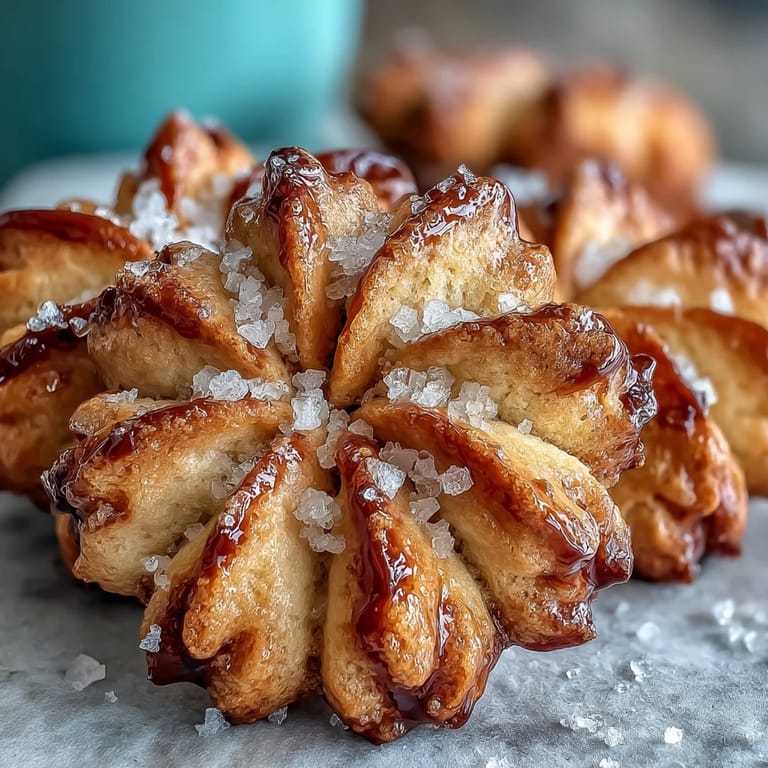
The decoration is entirely optional, but it's also where you can add personality without any skill required. Sanding sugar catches the light and makes them look celebratory, while edible flowers pressed into the dough before baking feel garden-fresh and thoughtful. If you're feeling artistic, a light dust of powdered sugar makes them look like they've been dusted with spring frost, and pastel-colored icing transforms them into something that belongs on a fancy dessert table.
- Edible flowers are available at most grocery stores now, and even a few petals scattered on top create a professional-looking presentation.
- If you don't have sanding sugar, a tiny sprinkle of regular coarse sea salt creates an interesting contrast with the sweetness.
- Let any icing dry completely before stacking or storing them, or you'll end up with one beautiful cookie stuck to another.
 Save
Save These cookies are the kind of thing that stick around in people's memories long after they're eaten. Make them when you want to say something kind without using words.
Recipe Questions
- → What type of butter is best for these cookies?
Use unsalted butter softened to room temperature for optimal creaminess and control over salt balancing.
- → How can I ensure the cookies hold their flower shape?
Chill the dough briefly before cutting and avoid overworking it to maintain a clean cut and crisp edges.
- → Can I add flavors to the dough?
Yes, incorporating finely grated lemon or orange zest brightens the flavor without overpowering the buttery base.
- → What decorations work best for these shortbreads?
Sanding sugar, pastel icing, or edible flower petals enhance their delicate aesthetic and add subtle texture variations.
- → How should the cookies be stored to stay fresh?
Keep them in an airtight container at room temperature for up to one week to preserve tenderness and flavor.
- → What tools are essential for making these delicate shapes?
A flower-shaped cookie cutter is crucial for the distinctive design alongside basic mixing bowls, rolling pin, and baking sheets.