 Save
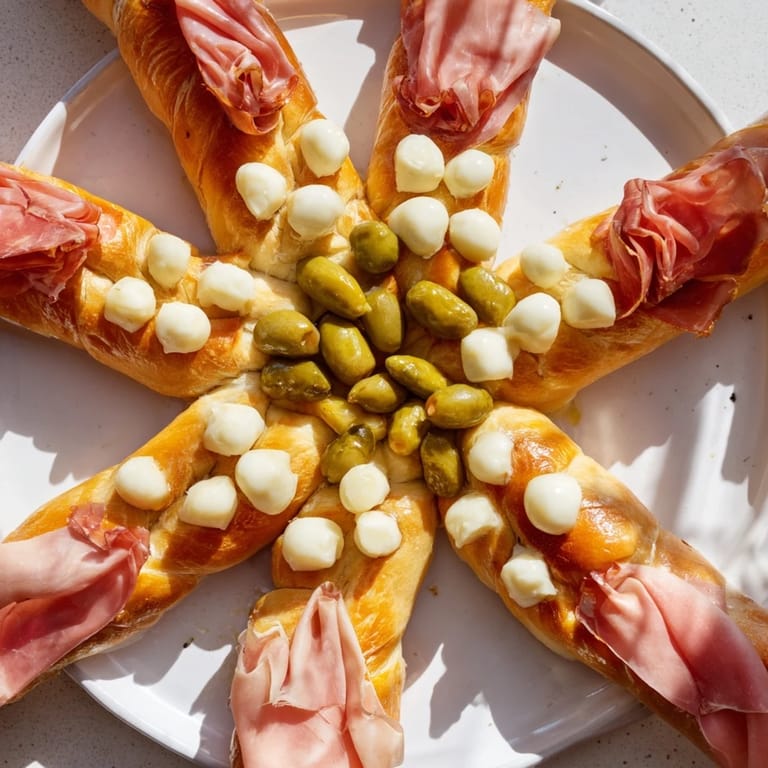
Save I discovered the magic of a fractal tree platter at a dinner party where I wanted to create something that would make guests pause and admire before eating. I remember standing in my kitchen, suddenly inspired by the branching patterns of the bare trees outside my window, and thinking: what if I could recreate that organic, mathematical beauty on a plate? That evening, as friends gathered around and began picking pieces from the radiating branches, I realized I'd stumbled onto something special—a dish that's as much conversation starter as it is delicious appetizer.
I'll never forget my sister's face when she first saw this platter at her engagement brunch—she thought I'd spent hours in the kitchen, but really it was just 25 minutes of mindful arrangement. That's when I knew this wasn't just food; it was a way to show people you were thinking about them before they even took a bite.
Ingredients
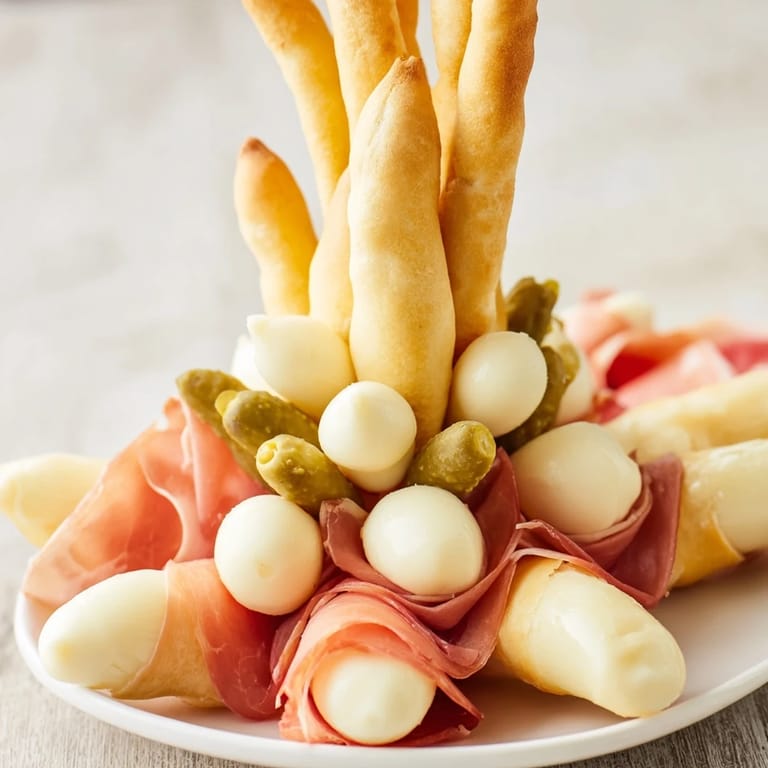
- 1 large breadstick (25–30 cm): This is your anchor, your tree trunk. Choose one that's sturdy enough to stand proud in the center without toppling. A good breadstick has that slightly crispy exterior that makes each bite satisfying.
- 6 slices prosciutto or vegetarian deli slices: The richness here sets the tone for the entire platter. If you go vegetarian, marinated mushrooms or smoked tempeh create that same sophisticated depth.
- 6 mini mozzarella balls or small cheese cubes: These little pockets of mild creaminess balance the salty elements beautifully. Fresh is always better than pre-packaged.
- 6 baby pickles or gherkins: The bright acidity these bring is non-negotiable—they're your flavor refresher between richer bites.
- 12 cherry tomatoes, halved: Choose the most colorful ones you can find; they're doing visual work here as much as flavor work.
- 12 thin cucumber slices: These offer cool, crisp contrast and help your guests feel like they're eating something wholesome alongside the indulgences.
- 12 green or black olives: Briny and distinctive, these anchor the second layer with personality.
- 18 small basil leaves: Fresh basil adds that herbaceous whisper that makes people say, "Wait, what is that?"
- 18 roasted red pepper strips: Sweet and silky, these bring visual warmth and a gentle sweetness that ties everything together.
- 18 small crackers or crostini: Your tiny foundations for building perfect bites, and they add texture contrast that keeps things interesting.
Tired of Takeout? 🥡
Get 10 meals you can make faster than delivery arrives. Seriously.
One email. No spam. Unsubscribe anytime.
Instructions
- Create Your Foundation:
- Place that breadstick right in the center of your platter, standing proud like the main trunk of a tree. This is your anchor point, your North Star for everything that follows. Take a moment to visualize the radiating pattern you're about to create.
- Build the First Branches:
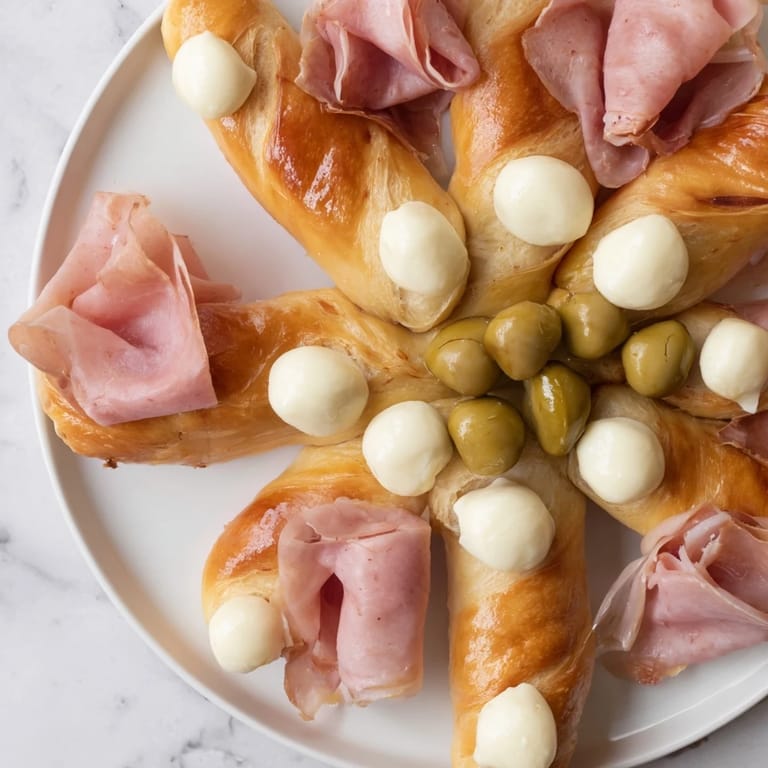
- Now comes the meditative part—arrange your prosciutto slices, mozzarella balls, and pickles in pairs radiating outward from the breadstick base. Think of them as the thickest, strongest branches. Space them with intention, creating a sense of symmetry that feels natural, not rigid. This is where your instincts matter more than perfection.
- Layer the Second Generation:
- Moving outward, create your second ring with the cherry tomato halves, cucumber slices, and olives. Tuck them between and beyond the first layer, letting them branch off naturally. You're literally mimicking how a tree grows—each generation smaller and more numerous than the one before.
- Finish with the Finest Branches:
- The basil leaves, roasted red pepper strips, and crackers form your delicate outer edges. These are the smallest, most intricate branches, the ones that catch light and draw the eye. Place them with a light touch, letting them feel delicate and inviting.
- Fine-Tune the Pattern:
- Step back and look at your creation with fresh eyes. Adjust spacing where it feels crowded, fill in gaps where the pattern breaks. You're not arranging food; you're painting with ingredients. This is the moment where your platter becomes a visual story.
- Bring It to Life:
- Consider a drizzle of olive oil across the platter and a generous scatter of cracked pepper. These final touches add sophistication and tell guests this was created with care. Then invite everyone to begin their journey from trunk to branches.
 Save
Save What surprised me most about this platter was how it transformed the entire experience of eating together. Instead of standing at a table in silence, my guests gathered around, pointed out details, asked questions about the arrangement, laughed about carefully extracting their favorite pieces. It became a moment of connection, not just consumption.
Why This Pattern Matters
Fractals are everywhere in nature—in fern leaves, in clouds, in the branching of rivers. When you recreate this pattern on your platter, you're tapping into something that feels instinctively beautiful to our brains. There's a reason people stop and stare. They're recognizing an order that feels both mathematical and organic, familiar and surprising all at once. This is food that talks to something deeper than hunger.
The Beauty of Building Without Heat
One of my favorite things about this recipe is that your kitchen stays cool and calm. No stove top drama, no oven timing anxieties. Instead, you get to be present with the ingredients, to feel their textures, to arrange them with intention. It's meditative, almost like a culinary form of mindfulness. And somehow, that care translates into how people experience the food.
Customization & Personal Expression
This platter is genuinely a blank canvas for your creativity. I've made vegetarian versions that were just as stunning, and I've experimented with marinated artichokes, sun-dried tomatoes, and even thinly sliced pears. The fractal structure stays the same; only the ingredients evolve. It's the kind of recipe that respects your preferences while holding its shape—it works for gluten-free diets with the right breadstick, for dairy-free guests with plant-based cheese, for anyone avoiding cured meats with grilled vegetables.
- Trust your instincts when substituting—if an ingredient looks beautiful and tastes good to you, it belongs on your platter.
- Consider color balance as you arrange; this is visual food first, so let your eye guide you as much as your palate.
- Remember that seasonal ingredients will make this taste different each time you make it, and that's the whole point—it keeps evolving with you.
 Save
Save This platter has become my go-to when I want to feed people something that nourishes both their bodies and their spirits. It's proof that the most beautiful food doesn't need to be complicated—it just needs to be made with intention.
Recipe Questions
- → How is the fractal pattern created in the platter?
By arranging ingredients in layers that decrease in size from a central breadstick ‘trunk’ outward, forming visually repeating branch-like patterns.
- → Can I make this platter vegetarian?
Yes, replace cured meats with extra cheese or grilled vegetables to maintain the layering effect while keeping it vegetarian.
- → What types of cheese work best for the branches?
Mini mozzarella balls or small cheese cubes provide ideal shapes that fan out nicely alongside meats and vegetables.
- → Are there gluten-free options for this platter?
Substitute the breadstick and crackers with gluten-free varieties to accommodate gluten-free diets without losing the fractal look.
- → How can I enhance the flavors of this platter?
Drizzle olive oil and sprinkle cracked pepper over the branches; pair with dry white wine or sparkling water for a complementing taste.
- → What is the best way to arrange the ingredients?
Start with the breadstick in the center, then layer larger items like cured meats and cheeses closer to the trunk, followed by medium-size vegetables, and finish with smaller toppings and crackers.