 Save
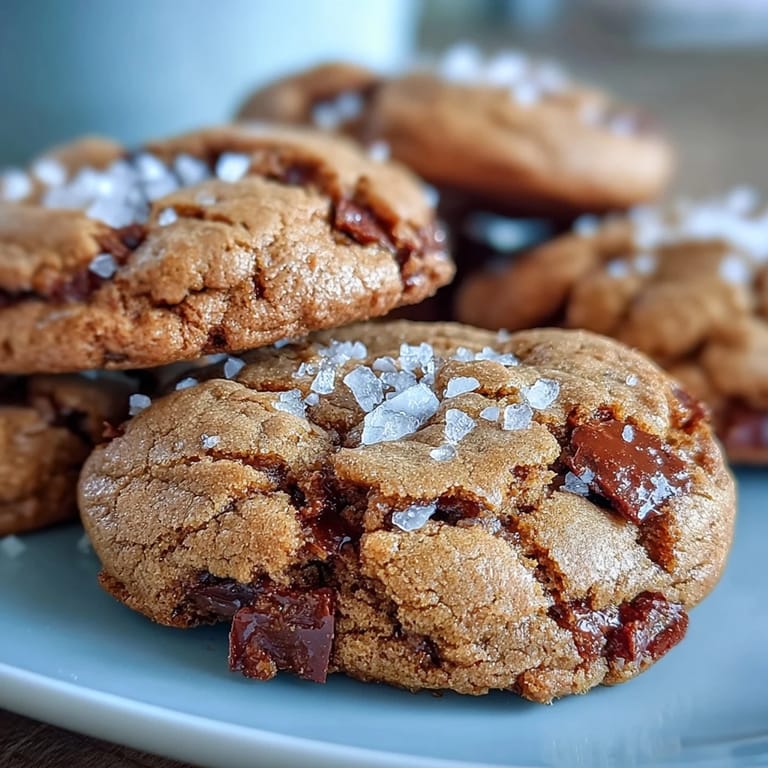
Save A friend handed me a tin of hojicha powder during a rainy afternoon, insisting I'd understand why Japanese grandmothers brew it for clarity rather than energy. I didn't make tea that day—instead, I whisked it into brown butter and watched the kitchen fill with this impossible aroma, somewhere between toasted hay and autumn leaves. The first batch emerged from the oven looking deceptively simple, but one bite made everything click: nutty, earthy, quietly sophisticated. These cookies became my answer to the question of how to make something feel both familiar and entirely new.
My partner walked in mid-bake and stopped mid-sentence, asking what smelled like a Japanese tea garden mixed with caramel. I slid the tray in anyway, slightly unsure, and somehow that uncertainty made the results feel more genuine. When those cookies cooled and I tasted one still warm, the edges crackling under my teeth, I realized I'd created something I'd want to remake forever. That's when I knew these weren't just cookies—they were a small ritual I'd be repeating.
Ingredients
- Brown Butter (170 g): This is your foundation—watch it carefully as it foams and transforms, because those brown bits are flavor. Don't walk away during this step; the difference between perfect nuttiness and burnt bitterness is about ninety seconds.
- All-Purpose Flour (250 g): Measure by weight if you can, scooping and leveling leads to dense cookies that taste more bread than butter.
- Hojicha Powder (2 tbsp): This roasted green tea is the soul of the recipe, delivering earthiness without bitterness; find it at Japanese markets or online, and store it away from light to preserve its delicate flavor.
- Brown Sugar (150 g) and Granulated Sugar (50 g): The combination creates chewier centers and crisper edges—don't skip either one.
- Egg and Egg Yolk: The extra yolk adds richness and helps bind the hojicha throughout the dough evenly.
- Baking Soda (1 tsp) and Sea Salt (1/2 tsp plus toppings): These amplify both the subtle tea notes and the sweetness; the flaky salt on top is optional but absolutely worth the extra moment.
Tired of Takeout? 🥡
Get 10 meals you can make faster than delivery arrives. Seriously.
One email. No spam. Unsubscribe anytime.
Instructions
- Brown the butter until it whispers:
- Melt your butter over medium heat, then watch it transform—it'll foam, sputter, and eventually turn golden with nutty bits at the bottom. This takes five to seven minutes, and you want to catch it just as it smells like toasted almonds, not burnt. Pour it immediately into a bowl to stop the cooking, then let it cool while you prep everything else.
- Combine your dry elements:
- Whisk together flour, baking soda, salt, and hojicha powder in a separate bowl, making sure the tea powder distributes evenly so you don't end up with pockets of concentrated flavor. This step takes just a minute and prevents lumps later.
- Marry the butters and sugars:
- In your largest bowl, whisk the cooled brown butter with both sugars until they're well combined and slightly fluffy. You're looking for a texture that's smooth and glossy, which takes about a minute of whisking.
- Introduce the wet ingredients gently:
- Add the egg, egg yolk, and vanilla to the butter mixture and whisk until the mixture looks slightly thickened and pale. This incorporation matters because it helps the hojicha distribute evenly through the dough.
- Bring it together without overdoing it:
- Pour the dry mixture into the wet ingredients and stir with a spatula until just combined—stop as soon as you don't see streaks of flour. Overmixing creates tough cookies, and these deserve tenderness.
- Chill if you have time:
- Cover the dough and refrigerate for thirty minutes if you want thicker, chewier cookies. If you're impatient like me, you can skip this, though the cookies will spread slightly more.
- Prepare your oven and stage:
- Preheat to 175°C (350°F) and line two baking sheets with parchment paper. Scoop tablespoon-sized balls of dough, leaving about five centimeters between each one—they'll spread gently as they bake.
- Bake until the edges turn golden:
- Slide them in for ten to twelve minutes, watching until the edges are golden but the centers still look slightly underdone. They'll continue cooking on the hot pan after you remove them, so resist the urge to overbake.
- Finish with salt while they're warm:
- If using flaky sea salt, sprinkle it immediately after baking so it clings to the warm buttery surface. Let them cool on the tray for five minutes, then transfer to a wire rack.
 Save
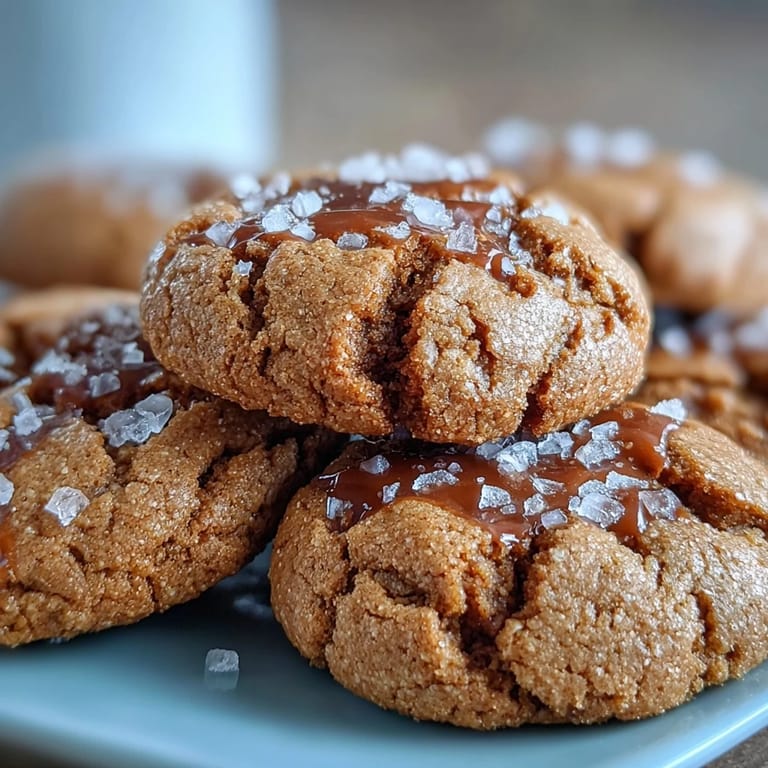
Save There's a particular magic in giving someone a cookie that tastes unexpected—when their expression shifts from polite to genuinely surprised. These hojicha butter cookies have done that for me more than once, arriving on someone's desk or in a care package and somehow saying things I couldn't quite put into words. That small moment of connection through flavor is why I keep making them.
Understanding Hojicha
Hojicha is roasted green tea, which might sound simple but changes everything about its character. Unlike regular green tea which is grassy and bright, hojicha becomes mellow and toasted through a careful roasting process, developing those caramel-like notes that pair so beautifully with butter. When I first tasted hojicha on its own, I didn't understand the appeal—it seemed gentle to the point of being unremarkable. But baked into something rich and buttery, it becomes this quiet sophistication that doesn't announce itself loudly but lingers in the best way.
Why Brown Butter Changes Everything
Brown butter feels like a small thing until you taste what it does. Those milk solids that sink to the bottom and turn golden aren't waste—they're concentrated flavor, almost nutty in a way that makes every other ingredient taste better. I learned this the hard way by skipping the browning step once, thinking melted butter would work just fine, and the result was flat and forgettable. Now I understand that brown butter isn't a technique, it's a foundation that elevates everything built on top of it.
Storage and Variations
These cookies actually improve slightly over a day or two as the hojicha flavor deepens and integrates with the butter, so don't feel like you need to eat them immediately. They freeze beautifully too—scoop the dough into balls before chilling, freeze on a tray, then bake straight from frozen, adding just a minute or two to the baking time. If you want to play with flavor, try stirring white chocolate chips into the dough, or chop some pecans for extra texture.
- Store cooled cookies in an airtight container for up to five days at room temperature, or freeze baked cookies for up to a month.
- The dough itself freezes for up to three months, so scoop and freeze before baking for easy fresh cookies anytime you want them.
- Flaky sea salt on top is optional, but it's the moment where the cookie stops being simply sweet and becomes genuinely interesting.
 Save
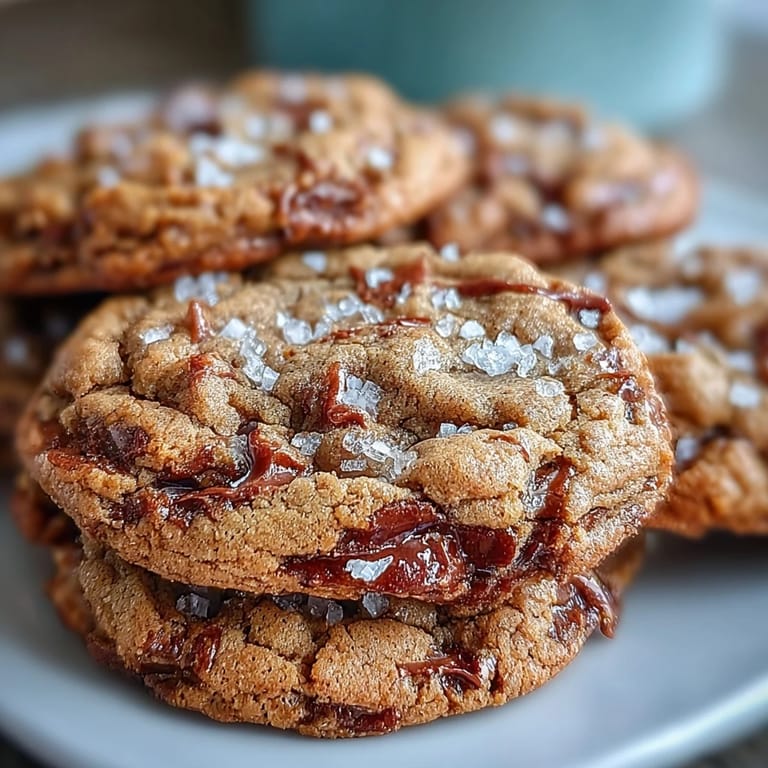
Save There's something deeply satisfying about making cookies that taste like they came from somewhere specific, somewhere thoughtful. These hojicha brown butter cookies do exactly that, turning a Japanese tea tradition into something entirely your own.
Recipe Questions
- → What does hojicha taste like?
Hojicha has a distinctive earthy, nutty flavor with notes of caramel and roasted undertones. It's less astringent than other green teas due to the roasting process, making it perfect for baking into sweet treats where it adds subtle depth without bitterness.
- → Can I substitute the hojicha powder?
Matcha powder works as a substitute, though it will give a more grassy, vibrant flavor. Alternatively, you could use chai spice blend or simply increase vanilla extract for a plain brown butter cookie. The hojicha powder is essential for the authentic Japanese fusion flavor profile.
- → Why chill the cookie dough?
Chilling for 30 minutes helps prevent excessive spreading in the oven, resulting in thicker cookies with chewy centers. If you prefer thinner, crispier cookies, you can skip the chilling step and bake immediately.
- → How should I store these cookies?
Store in an airtight container at room temperature for up to 5 days. The flavors actually develop and deepen after a day. For longer storage, freeze unbaked dough balls for up to 3 months, or freeze baked cookies for up to 1 month.
- → What makes brown butter special?
Brown butter, or beurre noisette, is cooked until milk solids toast and turn golden-brown. This process creates nutty, caramel flavors that elevate ordinary baked goods. The liquid evaporates slightly, concentrating the butter's richness.
- → Can I make these dairy-free?
You can substitute the butter with vegan butter, though brown butter alternatives won't achieve the same nutty flavor. Consider adding toasted pecans or walnuts to compensate for the lost brown butter depth.