 Save
Save The first time I made a hojicha roll cake, I was standing in a tiny Japanese kitchen supply shop, mesmerized by the earthy aroma wafting from a tin of roasted green tea powder. The shopkeeper caught my uncertainty and whispered that hojicha was the secret ingredient many home bakers overlooked—not as sharp as matcha, but warm and toasty like something from a grandmother's tea ceremony. I left with the tin tucked under my arm and a half-formed plan to transform it into something soft, pillowy, and rolled. That afternoon, my kitchen filled with the most unexpected smell: sweet cake bathed in that gentle, roasted tea fragrance.
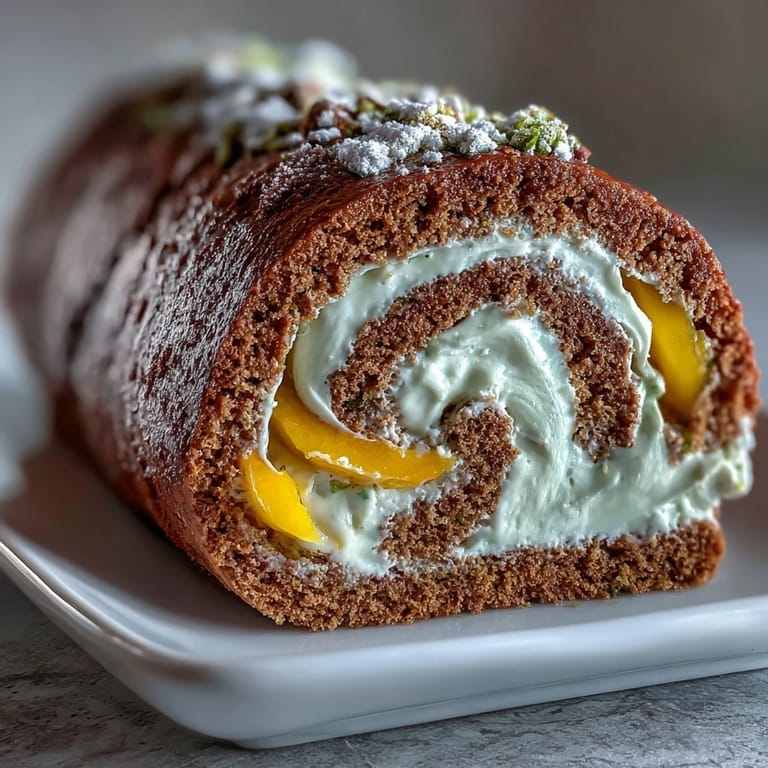
I baked this for my friend Yuki on a rainy Saturday, and when she walked in, she stopped mid-conversation and just breathed in. She sat down before I even poured tea, watching me spread the cream and arrange mango slivers with an expression I'd never seen before—like I'd accidentally recreated a moment from her childhood. That's when I realized this cake wasn't just a dessert; it was a conversation between cultures, right there on the plate.
Ingredients
- Eggs, separated (4 large): The yolks create a rich base while the whites become the cloud that makes this cake springy and light—separating them well in advance means they're at their best when you need them.
- Granulated sugar (80 g, divided): Splitting it between yolks and whites prevents the batter from becoming grainy and gives the meringue the structure it needs to hold every fold without deflating.
- Whole milk (60 ml): This keeps the sponge moist and tender; whole milk's fat content makes a difference you'll taste in how the crumb feels on your tongue.
- Vegetable oil (50 ml): Oil keeps this cake softer longer than butter would, crucial for rolling without cracking once it's cool.
- Cake flour (70 g, sifted) and cornstarch (10 g): Sifting twice removes lumps and aerates, while the cornstarch keeps the texture delicate and prevents toughness.
- Hojicha powder (1 tbsp in cake, 2 tsp in cream): This roasted green tea is the soul of the dish—it's gentler than matcha and brings a subtle, warm nuttiness that feels like autumn even in summer.
- Salt (1/4 tsp): A small pinch awakens the hojicha's flavor and balances sweetness so nothing tastes flat.
- Heavy cream (200 ml, minimum 35% fat, chilled): Cold cream whips faster and holds peaks longer; skimping on fat content means a cream that separates instead of staying silky.
- Powdered sugar (2 tbsp for cream): Powdered sugar dissolves into cream instantly, unlike granulated sugar which can make the cream grainy.
- Mango (1 ripe, peeled and sliced): Look for mangoes that yield slightly to palm pressure; they add brightness and a touch of tartness that keeps the whole roll from being too rich.
Tired of Takeout? 🥡
Get 10 meals you can make faster than delivery arrives. Seriously.
One email. No spam. Unsubscribe anytime.
Instructions
- Prepare your mise en place:
- Preheat the oven to 170°C (340°F) and line your 23 x 33 cm tray with parchment paper. Having everything measured and within arm's reach means you won't scramble once you've started folding.
- Build the yolk base:
- In a large bowl, whisk the four egg yolks with 40 g sugar until the mixture is pale and creamy, about two minutes. Add the milk and oil, mixing until completely smooth—this is your insurance against a dense cake.
- Fold in the dry ingredients:
- Sift the cake flour, cornstarch, hojicha powder, and salt together, then gently fold this mixture into the yolk mixture using a spatula until just combined. Stop folding the moment you see no white streaks; overmixing toughens the crumb.
- Create the meringue cloud:
- In a spotlessly clean bowl, beat the egg whites until foamy, then gradually add the remaining 40 g sugar while beating. Beat until stiff peaks form—this takes about three minutes with an electric mixer, and you'll know it's ready when the peaks stand straight up without flopping.
- Fold and combine:
- Add the meringue to the yolk mixture in three separate additions, folding gently each time until just barely combined before adding more. This gradual folding prevents you from deflating all your careful whipping in one heavy-handed gesture.
- Bake the sponge:
- Pour the batter into the prepared tray, smooth the top with an offset spatula, then tap the tray gently on the counter to release air bubbles. Bake for thirteen to fifteen minutes, until the cake springs back when you press it lightly with your fingertip.
- Cool and transfer:
- Remove the hot cake from the oven and immediately invert it onto a fresh sheet of parchment paper. Carefully peel away the hot parchment from the bottom, cover with a clean kitchen towel, and let it cool completely so the structure sets.
- Whip the hojicha cream:
- While the sponge cools, place chilled heavy cream, powdered sugar, and hojicha powder into a bowl and beat to medium-stiff peaks. The cream should be billowy and hold its shape, not grainy or separated.
- Assemble with intention:
- Once cool, spread the hojicha cream evenly across the sponge using an offset spatula, leaving a thin border along the edges. Arrange your mango strips in a line along one short edge, which is where you'll begin rolling.
- Roll and chill:
- Using the parchment as your guide, gently roll the cake from the mango edge into a tight spiral, using the paper to keep tension as you go. Wrap the finished roll in fresh parchment and refrigerate for at least thirty minutes so the structure sets and the flavors marry.
- Finish and serve:
- Unwrap and trim the ends neatly with a sharp knife, wiping the blade between cuts for clean slices. Dust with hojicha powder or powdered sugar if you like, and serve within a day for the best texture.
 Save
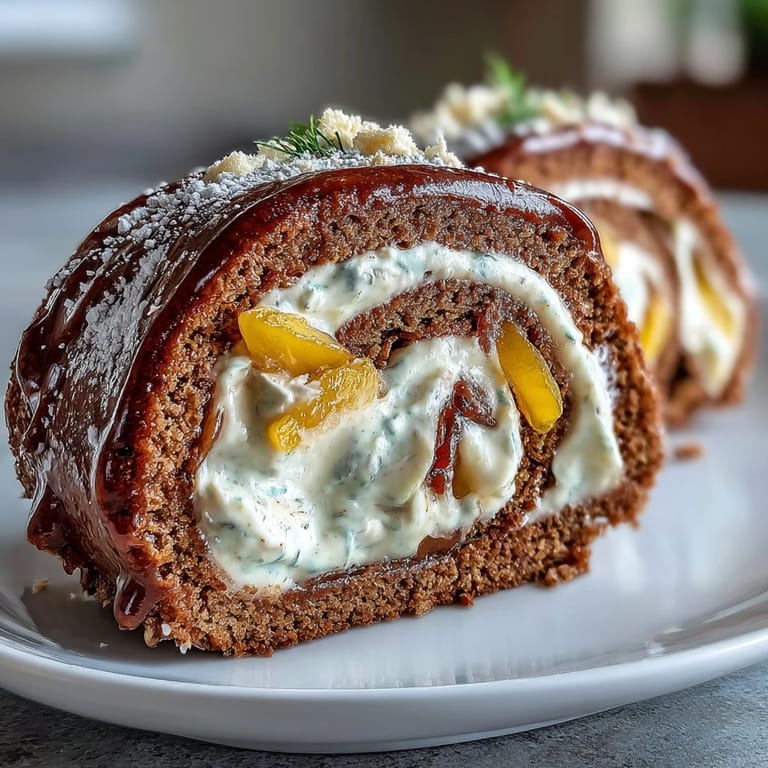
Save There's a quiet magic in the moment when you've rolled something this delicate without it cracking, when you know the flavors have melted into each other during that final chill. My hands still remember the exact pressure needed, the exact sound the parchment makes when you peel it back, and how the cake tastes like home the moment before you even taste it.
Why Hojicha Matters More Than You'd Think
Hojicha is roasted green tea, which means it's been heated until it loses its vegetal bite and gains this warm, almost chocolate-like depth. Unlike matcha, it doesn't demand attention or announce itself loudly; it whispers instead. The roasting process creates compounds that are comforting in a way that feels almost nostalgic, even if you've never tasted it before. This is why it works so well in something soft like a roll cake—it enhances without overpowering, and it pairs with cream like they were made for each other.
Rolling Without Fear
The secret to a successful roll is cooling completely before you assemble, and assembling while the sponge is still slightly flexible. A room-temperature cake is too fragile; a cold cake is too brittle. What you want is that sweet spot where the crumb is set but still has a whisper of give. When you roll, let the parchment do the work—your hands should guide, not force. A tight roll stays together; a loose roll falls apart when you slice it, and there's nothing sadder than a beautiful cake that crumbles because you were too gentle.
Variations and Swaps That Actually Work
I've made this cake with strawberries, thin peach slices, and even fresh raspberries, and each one brings its own conversation with the hojicha. The fruit doesn't have to be mango, but it should be something bright and slightly tart to cut through the richness of the cream. You can also replace half the heavy cream with mascarpone cheese for a lighter, tangier filling that still whips beautifully. Some days I dust the finished cake with a pinch of sea salt before serving, which sounds strange until you taste how it makes the hojicha sing.
- Strawberries or raspberries work beautifully in spring and early summer when they're at their sweetest.
- A mixture of mascarpone and heavy cream creates a lighter filling that's less likely to feel heavy after a meal.
- A whisper of vanilla extract in the sponge itself deepens the flavor without changing the character of the cake.
 Save
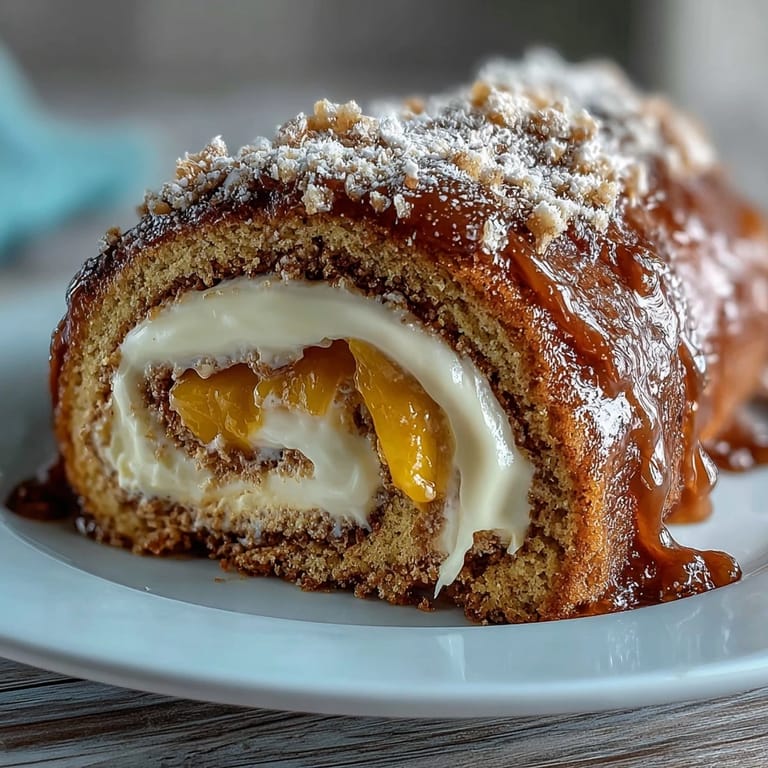
Save This hojicha roll cake tastes like the bridge between precision and comfort, between technique and kindness. Make it once and it becomes yours forever, a small edible meditation that tells anyone who eats it that you put thought into their happiness.
Recipe Questions
- → What makes hojicha different from other green teas?
Hojicha is roasted green tea, giving it a warm, toasty flavor with lower caffeine than other Japanese teas. Its reddish-brown color and nutty notes create a uniquely comforting taste that pairs beautifully with cream and vanilla flavors in baked goods.
- → Can I make the roll cake ahead of time?
Yes, the rolled cake tastes even better after chilling for several hours or overnight. Wrap it tightly in parchment paper and refrigerate for up to 24 hours. The flavors meld and the texture becomes more stable, making it easier to slice cleanly.
- → Why did my sponge crack when rolling?
Cracking usually happens if the cake cools completely before rolling or if the sponge is overbaked. Roll while slightly warm, and don't overbake—the cake should spring back when touched. Using cake flour and cornstarch also creates a more flexible crumb.
- → What can I substitute for mango in the filling?
Fresh strawberries, peaches, or apricots work beautifully with hojicha's earthy notes. You can also omit fruit entirely and focus purely on the tea-flavored cream, or add a layer of red bean paste for a traditional Japanese touch.
- → Is hojicha powder the same as matcha?
No, they're different. Hojicha powder is made from roasted tea leaves, resulting in a brownish powder with a warm, nutty flavor. Matcha comes from shade-grown leaves that are steamed and ground, producing a vibrant green powder with grassy, bitter notes.
- → Can I freeze the finished roll cake?
While possible, freezing may affect the texture of the fresh mango and cream. For best results, freeze unfilled sponge layers wrapped in plastic for up to a month, then thaw and fill with freshly whipped cream and fruit when ready to serve.