 Save
Save The first time I encountered Omani Shuwa, the aroma hit before anything else—a warm cloud of cinnamon, cardamom, and clove that seemed to pull me toward the kitchen. A friend's mother had spent the entire night preparing it, wrapping lamb in banana leaves with the kind of precision that came from decades of practice. Watching the meat fall apart at the gentlest touch of a fork made me understand why this dish is reserved for celebrations and gatherings that matter. That day, I realized slow-cooked food isn't just about time; it's about intention.
I made this for a quiet dinner on a winter evening, just to see if I could replicate what I'd tasted months before. The moment I unwrapped those banana leaves and the steam rose up carrying all those spices, I knew I'd gotten something right. My partner closed their eyes with the first bite and didn't speak for a full minute—not because something was wrong, but because they were too busy savoring it. That's when food becomes memory.
Ingredients
- Bone-in lamb shoulder or leg (2.5 kg): The bone keeps the meat moist and adds depth to the braise; bone-in cuts are worth the extra effort.
- Garlic paste and ginger paste (4 tbsp and 2 tbsp): Fresh pastes dissolve into the meat better than dried versions, creating a cohesive marinade that clings to every fiber.
- Ground coriander (2 tbsp): This is the backbone of the spice blend, warm and slightly citrusy—don't skip it or substitute.
- Ground cumin (1.5 tbsp): Adds earthiness that balances the sweeter spices like cinnamon and cardamom.
- Ground cinnamon (1 tbsp): Creates that subtle sweetness that makes people wonder what makes this dish so special.
- Ground cardamom (1 tbsp): The soul of the dish—complex and slightly floral, it's non-negotiable.
- Ground black pepper, cloves, paprika, turmeric, chili powder (1 tbsp black pepper, 2 tsp cloves, 2 tsp paprika, 1 tsp turmeric, 2 tsp chili powder): Together they build layers of warmth and subtle heat without overpowering the meat.
- Salt (2 tsp): Taste as you go; Omani cooking can vary in salt levels depending on regional preferences.
- White vinegar and lemon juice (1/4 cup vinegar, juice of 2 lemons): The acid tenderizes the meat while brightening all those deep spice flavors.
- Vegetable oil (1/4 cup): Helps the marinade coat every surface and prevents sticking during the long roast.
- Banana leaves (4–6 large): They're not just wrapping—they infuse a subtle, earthy flavor that's nearly impossible to replicate; treat them like part of the recipe, not a substitute.
Tired of Takeout? 🥡
Get 10 meals you can make faster than delivery arrives. Seriously.
One email. No spam. Unsubscribe anytime.
Instructions
- Build your spice foundation:
- Mix every spice, the garlic paste, ginger paste, vinegar, lemon juice, oil, and salt in a large bowl until it forms a thick, fragrant paste. Taste it—it should be bold and aromatic, maybe even a little harsh on its own, because the long marinating will mellow it into something magical.
- Score and coat the meat:
- Using a sharp knife, cut deep slashes all over the lamb, going about halfway through the meat but not all the way. This gives the marinade pathways to travel deep inside where the most tender parts hide. Rub the spice paste everywhere—over the surface, into every cut, under any flaps of meat, like you're giving the lamb a full massage.
- Let time do the work:
- Wrap the meat tightly in plastic wrap or cover the bowl, then refrigerate for at least 8 hours, though 24 hours is even better. The longer it sits, the more the spices penetrate and tenderize the meat from within.
- Prepare your oven home:
- Heat your oven to 160°C (320°F). This low, gentle temperature is crucial—you're not searing or browning, you're slow-braising until the meat surrenders completely.
- Wrap with intention:
- Take those banana leaves and arrange them shiny-side up. Place the marinated meat in the center and wrap it like you're tucking a baby into bed—overlapping the leaves so nothing can escape, then securing everything with kitchen twine. If using foil instead, make sure the seal is absolutely tight so no steam escapes.
- Create your roasting environment:
- Place the wrapped meat in a deep roasting pan, cover with a lid or more foil, and slide it into that low oven. The covered pan creates a humid, gentle environment where the meat will slowly break down into something impossibly soft.
- Honor the patience required:
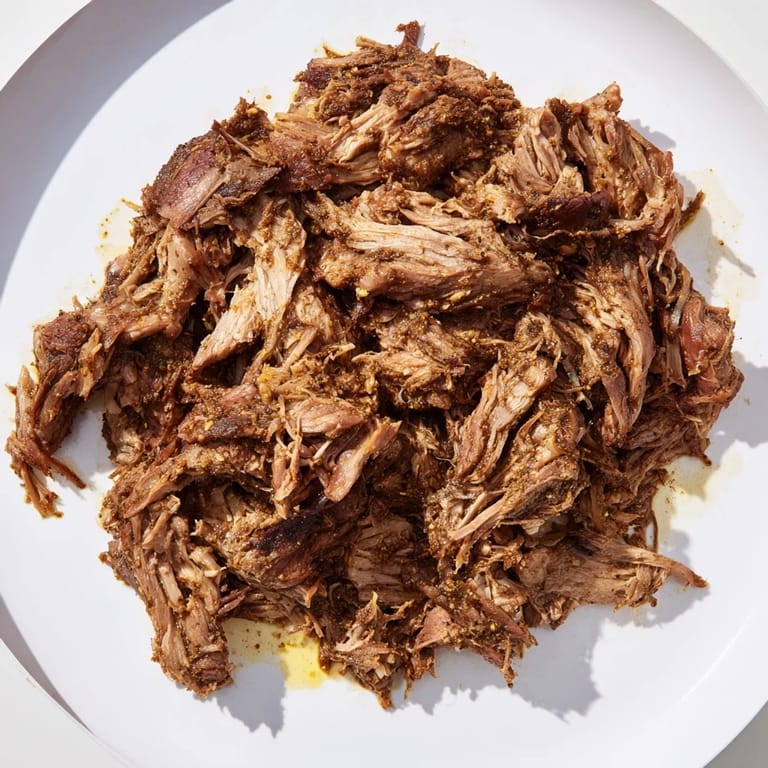
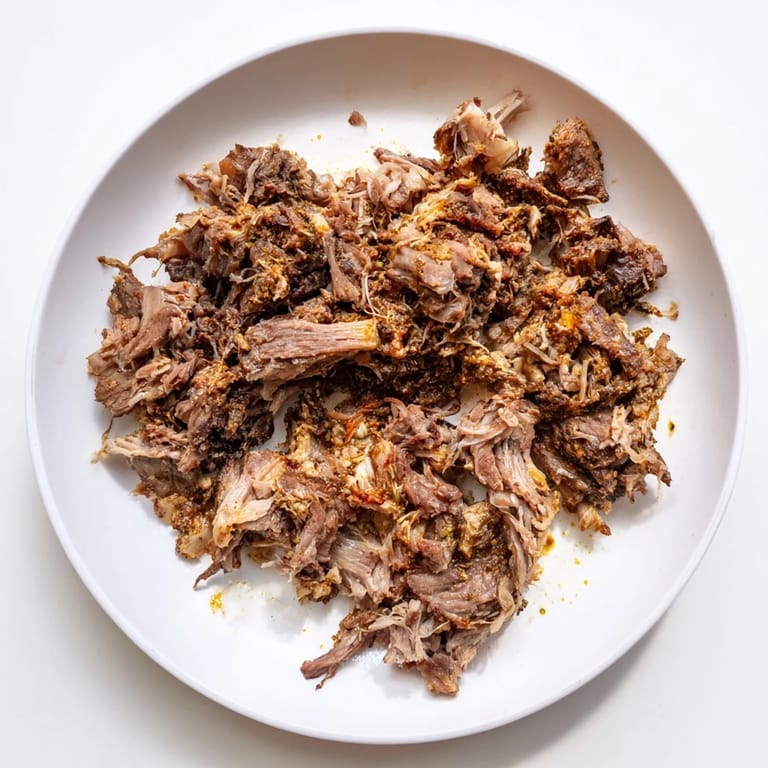
- Roast for 4 to 6 hours, depending on the size and thickness of your meat. After 3 hours, you can carefully peek inside if you're curious—the transformation will already be underway. The meat is done when a fork easily shreds the most resistant pieces and the bone pulls away cleanly.
- Unwrap and serve:
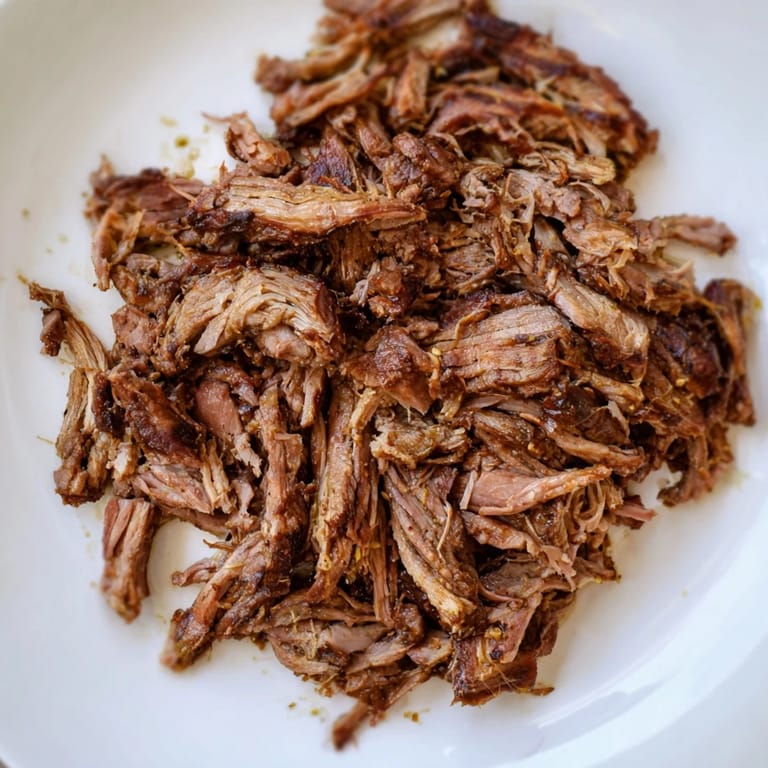
- Remove from the oven and let it rest for 10 minutes before unwrapping. The banana leaves may have darkened slightly and the aroma will be extraordinary. Shred or carve the meat and serve with the pan juices spooned over top, accompanied by rice or flatbread to soak up every drop.
 Save
Save I've served this at a family gathering where three generations sat around the table, and my grandmother—who grew up eating this in Oman—nodded silently, which I later learned was her highest compliment. There's something humbling about recreating a dish from someone else's childhood and having it received with that kind of recognition.
The Spice Blend Explained
Every spice in this marinade has a purpose and a history. Cardamom and cinnamon are the perfume notes that linger on your palate, while coriander and cumin form the savory base. The cloves add a subtle peppery warmth, and the paprika brings a whisper of smokiness that hints at the underground sand ovens where this dish originated. When you smell this combination while it's roasting, you're smelling centuries of Omani cooking tradition.
Banana Leaves: Why They Matter
Modern recipes sometimes suggest parchment paper or foil as interchangeable with banana leaves, but they're not. Banana leaves are porous and flexible, allowing just enough steam to circulate while trapping the meat's moisture and infusing it with a subtle, almost grassy sweetness that's distinctly Omani. They also brown slightly during cooking, creating a visual cue that tells you the meat underneath is ready. If you can find them fresh at an Asian or Middle Eastern market, they're worth the small effort to track down.
Serving and Storage
Shuwa is traditionally served family-style on a large platter lined with rice or flatbread, with the meat placed in the center and the accumulated pan juices drizzled generously over everything. A cooling yogurt sauce and a simple salad balance the richness perfectly. Leftover meat keeps beautifully for three days in the refrigerator and can be gently reheated in a covered pan with a splash of water, though honestly, it's equally delicious cold the next day wrapped in flatbread.
- Always let the meat rest for at least 10 minutes after unwrapping so the fibers can relax and the juices redistribute.
- The pan juices are liquid gold—never discard them, drizzle them over everything.
- If you're doubling this recipe, increase the roasting time by 1–2 hours since larger quantities need more time to cook through evenly.
 Save
Save Every time I make Shuwa, I'm reminded that some dishes transcend simple cooking—they're invitations into someone else's culture, their family table, their way of marking important moments. This one always brings people together.
Recipe Questions
- → What cuts of meat work best for Omani Shuwa?
Bone-in lamb shoulder or leg are preferred for their tenderness, but beef or goat can also be used as alternatives.
- → How long should the meat marinate?
Marinating for 8 to 24 hours allows the spices to deeply penetrate and tenderize the meat.
- → Why are banana leaves used in cooking?
Banana leaves help retain moisture and infuse a subtle earthy aroma during the slow-cooking process.
- → Can I cook Omani Shuwa without a traditional underground oven?
Yes, wrapping the meat in banana leaves and roasting it in a covered pan or foil at low heat replicates the slow cook effectively.
- → What spices are essential in the marinade?
Key spices include garlic, ginger, coriander, cumin, cinnamon, cardamom, black pepper, cloves, paprika, turmeric, and chili powder.
- → How to serve the dish for an authentic experience?
Serve the slow-cooked shredded meat with spiced rice, fresh salad, and a cooling yogurt sauce.