 Save
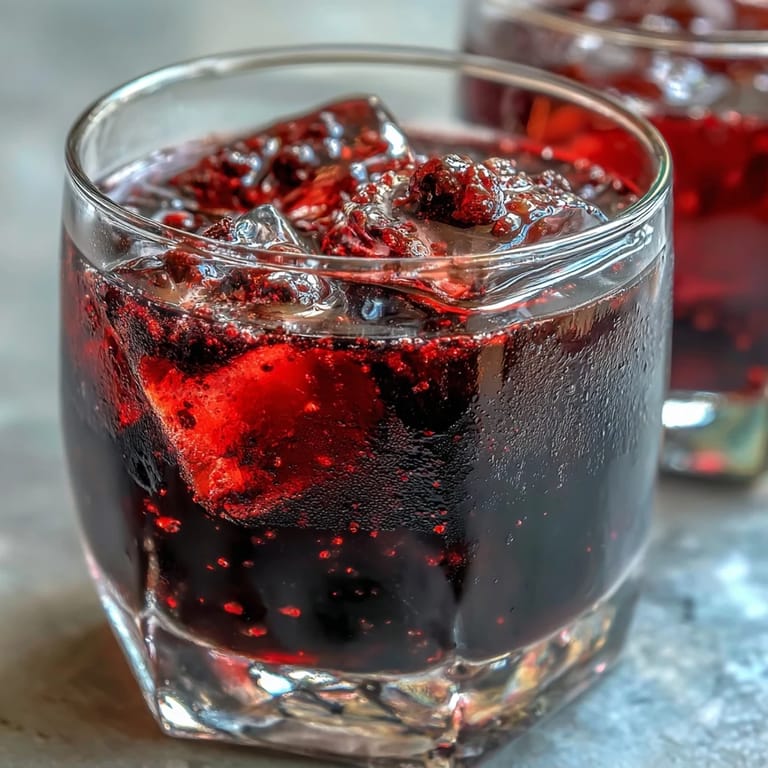
Save There's something quietly magical about watching a jar transform over weeks—blackcurrants surrendering their deep purple essence to clear vodka, the kitchen filling with whispers of cinnamon and clove each time you give it a gentle shake. I stumbled into making this liqueur by accident, really, after buying far too many blackcurrants at a farmers market and realizing I'd never finish them fresh. What started as a way to use them up became something I now make deliberately, bottling tiny gifts that people recognize as unmistakably homemade the moment they taste them.
I'll never forget my neighbor peering through my kitchen window one evening, drawn by curiosity about what I was making, and how her eyes lit up when I explained the whole process. Months later, she brought over a batch she'd made herself, tweaked with cardamom pods, and we spent an afternoon comparing notes while sipping them over ice with a splash of tonic water. That moment cemented it for me—this liqueur isn't just a drink, it's an invitation to slow down and share something genuine.
Ingredients
- Fresh or frozen blackcurrants, 500 g: Frozen blackcurrants work brilliantly here and are often cheaper and available year-round; they break down beautifully during infusion, releasing every drop of their concentrated flavor.
- Good-quality vodka, 750 ml: Don't reach for the cheapest bottle, but you don't need premium either—something mid-range that you'd actually drink matters, since it's the foundation of your liqueur.
- Granulated sugar, 250 g: This sweetens the liqueur and helps draw out the fruit's juices; you can adjust it slightly at the end if you prefer something drier or more indulgent.
- Cinnamon stick: One stick is enough to perfume the whole jar without overwhelming the blackcurrant flavor; it adds warmth and a subtle sweetness that feels luxurious.
- Whole cloves, 4: These little powerhouses deliver spice and depth—count them carefully, as too many can make the liqueur taste medicinal and harsh.
- Star anise, 2: A delicate licorice note that shouldn't announce itself but should linger on the finish, adding intrigue.
- Black peppercorns, 5: A pinch of pepper might sound odd, but it wakes up all the other flavors and prevents the liqueur from tasting one-dimensional.
- Unwaxed lemon zest, from 1 lemon: Strip the zest in wide ribbons to avoid the bitter white pith; the bright citrus cuts through the richness beautifully.
Tired of Takeout? 🥡
Get 10 meals you can make faster than delivery arrives. Seriously.
One email. No spam. Unsubscribe anytime.
Instructions
- Prepare your blackcurrants:
- Rinse them gently under cold water and pat completely dry with paper towels—any excess moisture will dilute your finished liqueur. Tip them into a bowl and crush them lightly with a potato masher or fork, just enough to crack the skins and release the juices, but not so much that you're making paste.
- Build the foundation:
- Spoon the crushed blackcurrants into your sterilized jar, then add the cinnamon stick, cloves, star anise, peppercorns, and lemon zest strips, layering them like you're composing a still life. This isn't just practical—seeing all those beautiful spices suspended in the fruit makes the waiting easier.
- Combine and seal:
- Pour the sugar over the spices and fruit, then pour in the vodka slowly, watching how it picks up the color from the blackcurrants almost immediately. Seal the jar tightly and shake it gently but thoroughly—you'll feel the sugar crystals moving around, and that's exactly what you want.
- Let time do the work:
- Store your jar in a cool, dark cupboard (the back of a pantry is perfect) and shake it gently every few days, just once or twice, watching the sugar dissolve and the color deepen week by week. After 2 to 4 weeks, the blackcurrants will have given everything they have and will look pale and wrinkled—that's your signal it's ready.
- Strain with care:
- Set a fine sieve or piece of muslin cloth over a clean jug and pour the liqueur through slowly, letting gravity do the work rather than forcing it. The solids can go to the compost, but the liquid gold is what you've been waiting for.
- Bottle and mature:
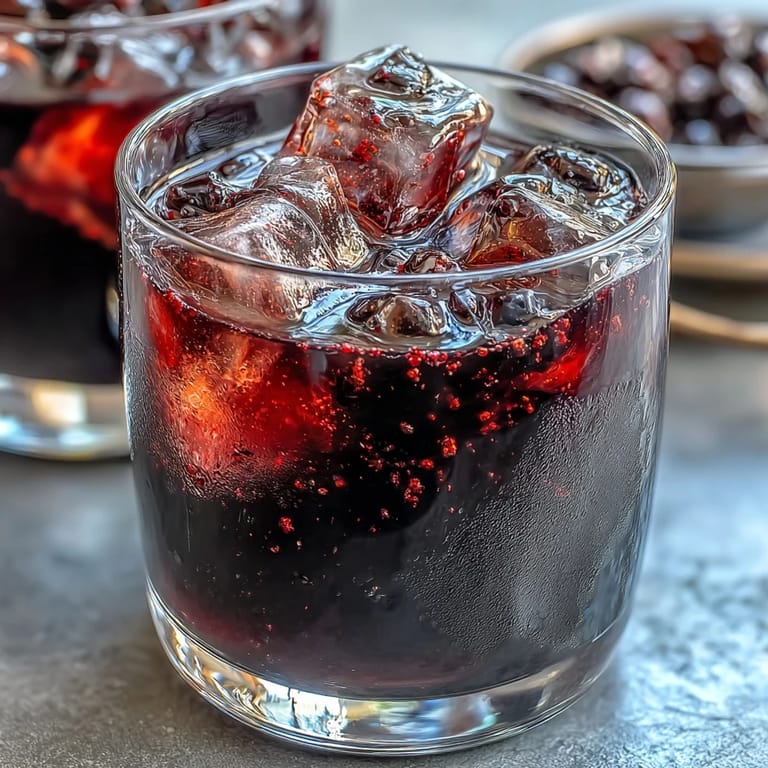
- Using a funnel, decant the liqueur into sterilized bottles, seal them tightly, and label them with the date and contents. Let them rest for at least another week before opening—this final maturation smooths everything together into something that tastes far more polished than the sum of its parts.
 Save
Save The first time I gave a bottle away, the recipient texted me a photo of it sitting on their cocktail bar between store-bought bottles, and somehow my handmade version looked more beautiful and more honest than anything with a commercial label. There's a quiet pride in that—knowing something you made with your own hands is being treasured rather than just consumed.
Why This Method Works So Well
Infusion is the oldest and most reliable method for creating liqueurs because time and alcohol do what heat and machinery can't—they gently coax out flavors and allow different notes to marry into something complex and balanced. The darkness of your storage space matters because light degrades the color and some of the delicate flavor compounds, so don't be tempted to keep it visible on a shelf. What you're creating isn't just a drink but a preserved moment of the season, a bottled snapshot of what blackcurrants and spices can become when given patience and care.
Customizing Your Liqueur
Once you've made this recipe once, you'll start seeing possibilities everywhere—a split vanilla pod added to the jar brings creamy sophistication, while a few cardamom pods introduce a almost floral warmth that works beautifully in cocktails. Some people add a pinch of nutmeg or a strip of orange zest instead of lemon, chasing flavors that speak to their own taste memories. The recipe is genuinely forgiving; you're creating an environment where flavors can develop rather than following rigid chemistry, so small adjustments feel natural and exciting rather than risky.
Serving and Storage Suggestions
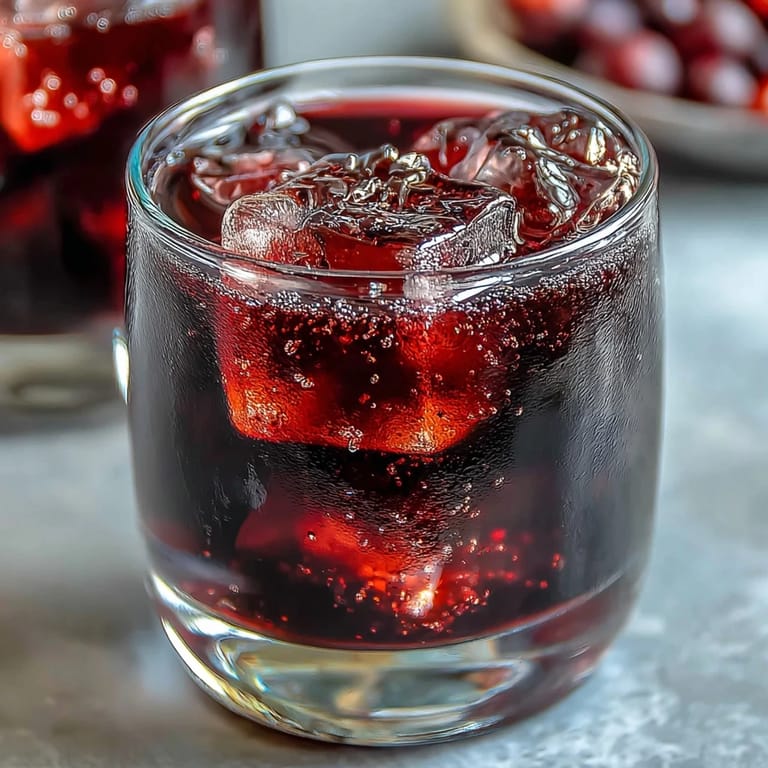
Chilled, straight from the freezer in a small glass, this liqueur becomes an elegant after-dinner drink that feels special without any fuss—it's the kind of thing that makes an ordinary Wednesday evening feel slightly ceremonial. It also transforms cocktails with an unexpected depth, pairs beautifully with dark chocolate or berry desserts, and makes people genuinely curious when they taste it, which is half the pleasure of serving something homemade.
- Store your bottles in a cool, dark place and they'll last for years, actually improving as they age slightly, developing even more complexity.
- If you're gifting bottles, pair them with a note explaining the spices and suggesting serving ideas—it's the handwritten touch that transforms a gift from thoughtful to unforgettable.
- A single bottle makes a lovely gift, but three small bottles tied together with ribbon feel even more generous and show real effort without being overwhelming.
 Save
Save Making liqueurs taught me that good things really do take time, and that sometimes the most meaningful gifts are the ones that required a little patience and a lot of intention. This blackcurrant vodka, with its dark jewel color and layered warmth, is exactly that kind of thing.
Recipe Questions
- → How long should the infusion take?
Infusion takes 2 to 4 weeks, allowing the blackcurrants and spices to develop rich, balanced flavors within the vodka.
- → Can I adjust the sweetness level?
Yes, sugar amounts can be increased or decreased before infusion to match your preferred sweetness.
- → What spices are used in this infusion?
Cinnamon stick, whole cloves, star anise, black peppercorns, and lemon zest provide aromatic warmth and complexity.
- → Is cooking involved in the preparation?
No cooking is required; the flavors develop naturally as the ingredients steep in vodka over time.
- → How should the liqueur be stored after infusion?
Store the strained liqueur sealed in sterilized bottles, preferably in a cool, dark place or refrigerator, and serve chilled or over ice.
- → Can I experiment with other flavor additions?
Adding vanilla pods or cardamom pods during infusion can add extra depth and complexity if desired.