 Save
Save My sister called me three weeks before her daughter's First Communion with that particular tone of voice—the one that means she needs a favor but is too polite to ask directly. Could I make the cake? She'd seen a picture online of a sheet cake with piped buttercream flowers and couldn't stop thinking about it. I'd never piped flowers before, but something about the simplicity of the request, the importance of the day, made me say yes immediately. That cake taught me that sometimes the most meaningful desserts are the ones that look fancy but trust you to figure it out as you go.
What I remember most vividly isn't the piping itself, but standing in my kitchen at 6 a.m. on the day of the party, listening to my niece's excited chatter through the phone as my sister set up the church hall. The cake was cooling on the counter, and I was mixing buttercream in four different shades of pastel—pink, pale yellow, soft green, and white. There's something deeply satisfying about preparing food for a milestone you won't physically witness, knowing it'll sit in the center of a celebration and quietly mark a moment in someone's life.
Ingredients
- All-purpose flour (2 ½ cups): The foundation of everything—make sure it's measured by spooning into the cup and leveling off, not scooping directly from the bag, which packs it down and makes the cake dense.
- Baking powder (2 ½ tsp): This is what gives the cake its tender crumb and gentle rise; don't skimp or substitute with baking soda alone.
- Salt (½ tsp): A quiet ingredient that amplifies the vanilla and balances the sweetness so nothing tastes cloying.
- Unsalted butter (1 cup for cake, 1 ½ cups for frosting): Softened butter creams better and incorporates air, which creates the light texture you want; cold butter will fight you.
- Granulated sugar (2 cups): The structure and sweetness; granulated (not brown) keeps the cake pale and delicate.
- Eggs (4 large, room temperature): Room temperature eggs incorporate more smoothly and create a more uniform batter; cold eggs can cause lumps.
- Pure vanilla extract (1 tbsp for cake, 2 tsp for frosting): The soul of this cake—imitation extract tastes noticeably flat by comparison, so this is where vanilla matters most.
- Whole milk (1 cup for cake, ¼ cup for frosting): Adds moisture and tenderness; room temperature milk mixes in without shocking the batter.
- Powdered sugar (6 cups, sifted): Sifting removes lumps that would create a grainy frosting; this step takes two minutes and changes everything.
- Food coloring: Gel coloring produces more vibrant shades without thinning the frosting the way liquid colors do.
Tired of Takeout? 🥡
Get 10 meals you can make faster than delivery arrives. Seriously.
One email. No spam. Unsubscribe anytime.
Instructions
- Prepare your stage:
- Preheat the oven to 350°F and grease that 9x13-inch pan thoroughly, then line it with parchment paper so the cake releases cleanly later. You want a dry oven and a ready pan before you start mixing anything.
- Build your dry team:
- Whisk flour, baking powder, and salt together in a medium bowl—this distributes the leavening evenly so you don't get surprise pockets of density in the finished cake.
- Cream butter and sugar into clouds:
- Beat them together for about 3 minutes until the mixture looks pale and fluffy, almost like pale sand. This creaming step incorporates tiny air bubbles that make the cake light; rushing it results in a heavier crumb.
- Introduce eggs slowly and carefully:
- Add eggs one at a time, waiting for each to fully incorporate before adding the next—you'll see the mixture go briefly grainy, then smooth back out. This patience prevents curdling and ensures even distribution.
- Weave flour and milk together:
- Starting with dry, add the flour mixture in three parts and milk in two parts, alternating and beginning and ending with flour. This gentle approach prevents overmixing, which would develop gluten and toughen the cake.
- Pour and smooth:
- Transfer the batter into your prepared pan and use a spatula to level the top, which helps it bake evenly.
- Bake until golden:
- Bake for 28–32 minutes; you'll know it's done when the top is light golden and a toothpick inserted in the center comes out clean with just a few moist crumbs clinging to it. The kitchen will smell like warm vanilla and butter—that's your signal it's close.
- Cool with intention:
- Let the cake sit in the pan for 10 minutes (this helps it hold together), then turn it out onto a wire rack to cool completely. Trying to frost a warm cake is asking for melted mess.
- Build your buttercream base:
- Beat softened butter until creamy, then gradually add sifted powdered sugar and milk alternating, until you have a smooth, spreadable frosting that holds a peak. Mix in vanilla at the end.
- Tint your colors:
- Divide the frosting into bowls and add gel coloring drop by drop, mixing thoroughly—a little goes a long way, especially with gel.
- Frost the foundation:
- Spread a generous layer of plain (or white-tinted) buttercream over the cooled cake as your base canvas.
- Pipe flowers and leaves:
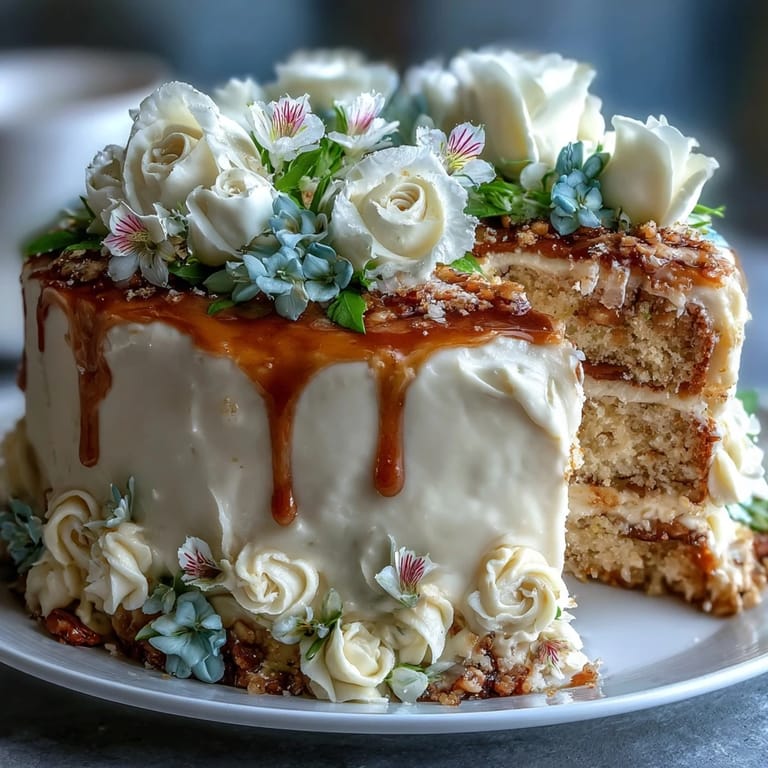
- Fill piping bags with colored frosting and flower or leaf tips, then pipe decoratively across the cake—practice a few on parchment first if you're nervous, but don't overthink it. Imperfect flowers look charming and handmade.
- Optional finishing touches:
- Pipe a delicate cross with a small round tip or add text with the child's name if desired.
 Save
Save After my sister sent me photos of the cake at the party, surrounded by children in white dresses and suits, I realized I'd been nervous about something that turned out to be joyful. The flowers weren't perfect—one leaned slightly, another was a little too full of buttercream—but no one noticed or cared. What mattered was that this simple vanilla cake with delicate piped flowers had become part of a memory, a small edible marker of a day that would matter to a child forever.
The Vanilla Matters
I made this cake twice before the actual event, and the first time I used imitation vanilla extract because that's what I had on hand. The cake was fine, technically correct, but it tasted slightly hollow—like something was missing even though I couldn't name it. The second time, I splurged on pure vanilla, and the difference was immediate and undeniable. Pure vanilla has a warmth and complexity that imitation just doesn't possess, and in a simple cake where vanilla is the main flavor, that matters more than any fancy technique.
Timing and Temperature
One of the biggest lessons I learned from baking this cake repeatedly is that the oven temperature, milk temperature, and egg temperature all work together to create the final texture. When everything is cool, the batter takes longer to come together and can seize up, creating a grainy crumb. When everything is at room temperature, the ingredients cooperate, the batter emulsifies smoothly, and you end up with the tender, almost-silky crumb that makes this cake special. I now let my eggs and milk sit on the counter for 30 minutes before I start mixing, and the difference is noticeable every single time.
Decorating Without Pressure
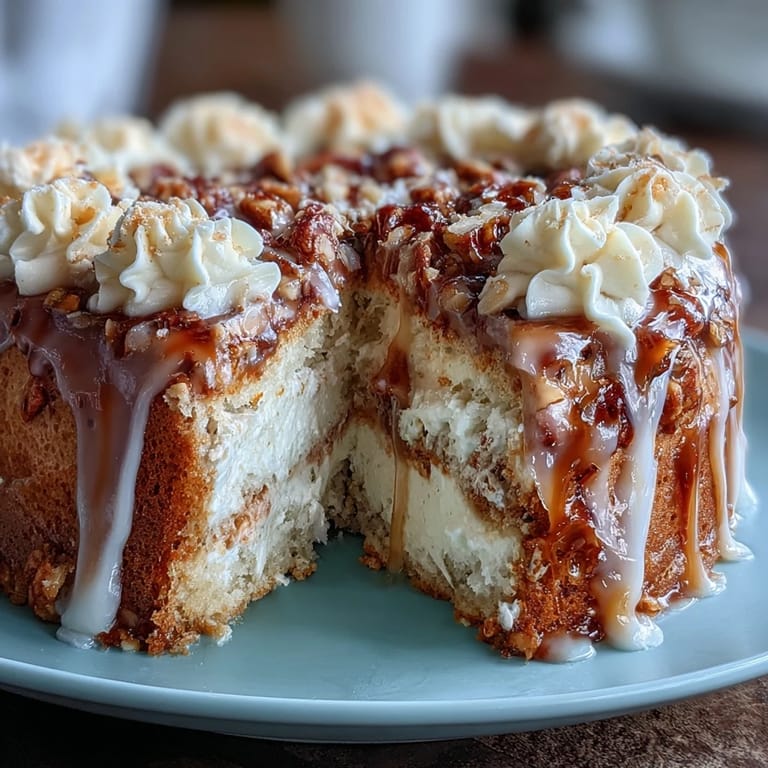
The piping flowers part is where most people hesitate, but I've learned that buttercream is incredibly forgiving. Even if a flower looks wonky, the next one is usually better, and by the time you've piped twelve flowers across a cake, you've found your rhythm. I suggest practicing a few on a plate or piece of parchment first, just to get a feel for the pressure needed, but don't stress over perfection. Handmade flowers, even imperfect ones, have a charm that store-bought decoration never matches.
- Start with the piping bag held at a 45-degree angle and use consistent pressure—your hand will steady as you practice.
- Pipe flowers in clusters rather than evenly spacing them; it looks more intentional and less like a pattern.
- If a flower goes sideways, use a small offset spatula or knife to gently blend it into the frosting and call it an artistic choice.
 Save
Save This cake became my go-to for celebrations because it's approachable, reliable, and beautiful without requiring professional pastry skills. Every time I bake it, I think of that early morning in my kitchen, the four pastel bowls of frosting, and the knowledge that something I made by hand would matter on a day that was important to someone I love.
Recipe Questions
- → What is the best way to ensure a moist cake?
Use room temperature ingredients and avoid overmixing the batter. Proper baking time and cooling the cake completely before frosting help retain moisture.
- → How do I achieve smooth buttercream for piping?
Beat the butter until creamy before gradually adding sifted powdered sugar and milk. Continue mixing until fluffy and smooth to avoid lumps.
- → Can I use other food colorings for the decorations?
Yes, gel food colorings work best as they provide vibrant hues without thinning the buttercream consistency.
- → What tools are recommended for decorating the cake?
Use piping bags fitted with flower, leaf, and round tips to create detailed buttercream flowers and accents with ease.
- → How should the cake be stored after decorating?
Store the finished cake covered at room temperature for up to a day to maintain freshness and texture.