 Save
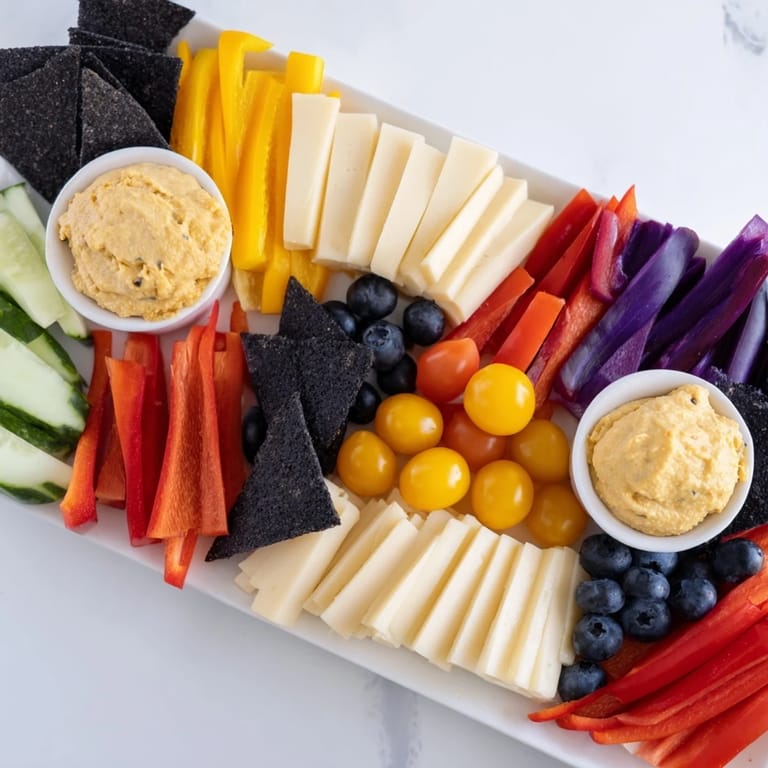
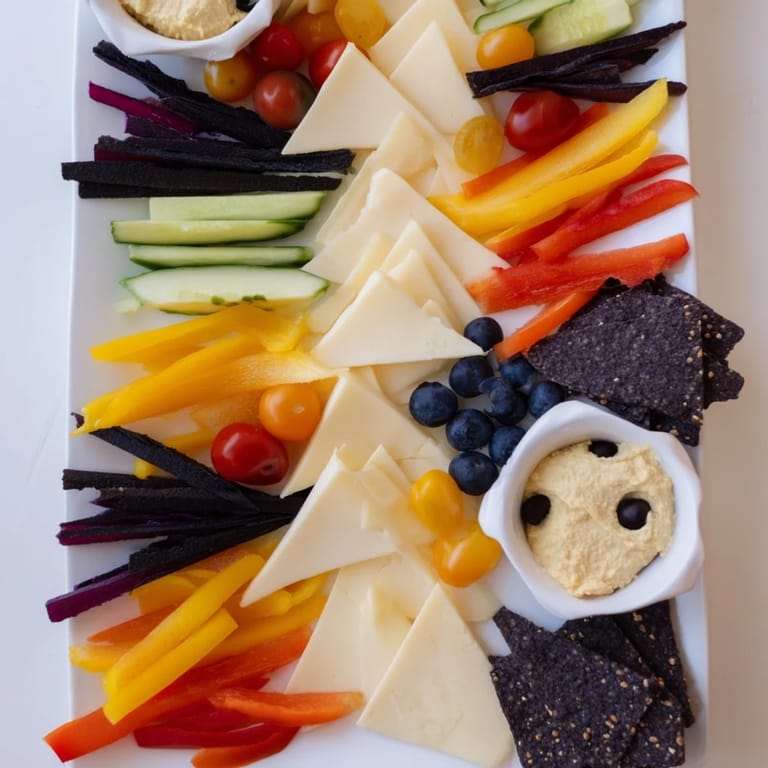
Save I'll never forget the moment I discovered that a platter could be just as much art as it is food. It was during a dinner party when I decided to abandon the traditional circular arrangement and instead create something that felt almost electric—a zig-zag of bold colors that seemed to dance across the board like lightning frozen in time. My guests weren't just eating; they were experiencing something unexpected, something that made them pause and smile before reaching for a piece. That's when I realized that the most memorable appetizer isn't always about complicated techniques—it's about arrangement, color, and the joy of the unexpected.
I remember assembling this for my sister's modern art-themed bridal shower, and watching her face light up when she walked into the room and saw this lightning bolt of color stretching across the table told me everything. Her guests couldn't resist it—they instinctively followed the zig-zag pattern, each person discovering their own favorite combination of ingredients as they moved along the path. It became the centerpiece of the entire event, and I realized that sometimes the simplest arrangements carry the most impact.
Ingredients
- Red bell pepper strips: 1 cup. These are your primary color contrast—bright, sweet, and crisp. Cut them lengthwise for those angular lines that make the zig-zag feel dynamic.
- Yellow bell pepper strips: 1 cup. The warm counterpoint to the red; they almost glow next to the darker elements. Cut the same way for consistency.
- Cucumber sticks: 1 cup. Pale green and refreshing, they act as a cooling element both visually and in taste. The watery crispness is essential to the board's textural variety.
- Purple carrots, cut into sticks: 1 cup. If you can find these, they're a game-changer for color—if not, regular orange carrots work beautifully too. The sweetness when raw is a pleasant surprise.
- Sharp white cheddar, sliced into thin angular pieces: 100 g (3.5 oz). The sharpness cuts through the sweetness of the vegetables and hummus. Slice at angles to echo the zig-zag theme.
- Black wax gouda, sliced: 100 g (3.5 oz). Rich, nutty, and visually striking against the lighter vegetables. This is what adds sophistication to the board.
- Blueberries: 1/2 cup. Tiny flavor bombs that catch light beautifully. They're the jewels of the arrangement.
- Golden cherry tomatoes, halved: 1/2 cup. Sunny and sweet. The halves show their gorgeous interior and nestle perfectly into the arrangement.
- Beet hummus: 1/2 cup. Deep purple-red and earthy. This is your dramatic anchor for one end of the zig-zag.
- Classic hummus: 1/2 cup. Creamy beige tones and a reliable flavor everyone loves. Place it strategically as a visual palate cleanser.
- Blue corn tortilla chips: 1 cup. These are structural and add crunch while echoing the blue in the blueberries. They frame the composition.
- Black sesame rice crackers: 1/2 cup. Dramatic and nutty. They provide the darkest notes in the arrangement and extraordinary crunch.
Tired of Takeout? 🥡
Get 10 meals you can make faster than delivery arrives. Seriously.
One email. No spam. Unsubscribe anytime.
Instructions
- Wash and prepare your canvas:
- Start with a clean, large rectangular board or platter—this is your stage. Wash all vegetables and pat them dry completely; wet vegetables won't sit proudly and will make your arrangement look tired.
- Cut with intention:
- Cut your vegetables into long, angular pieces—think sharp lines, not uniform rounds. Red and yellow peppers, cucumbers, and purple carrots should all be sliced lengthwise into sticks. This isn't about perfection; it's about creating those dramatic diagonal lines that will form your zig-zag.
- Angle your cheeses:
- Slice your cheddar and gouda thin enough to drape slightly if you want them flexible, or thicker if you prefer them to stand firm. The key is cutting them at angles rather than straight lines—this echoes the geometry of your zig-zag.
- Map your lightning bolt:
- Imagine a diagonal line from one corner of your board to the opposite corner. This is your zig-zag path. Begin at one corner with your boldest color—perhaps the red peppers—and start laying them down along this diagonal.
- Build contrast as you go:
- Immediately next to the red pepper, place a piece of white cheddar. Then follow with cucumber. Then black gouda. Keep alternating your high-contrast elements—light next to dark, warm colors next to cool ones. This is where the magic happens; the contrast is what makes the eye follow your design.
- Fill in the edges:
- Once your main zig-zag line is established, tuck your tortilla chips and rice crackers along both sides of the lightning bolt, creating a frame that emphasizes the angular shape.
- Place your dips strategically:
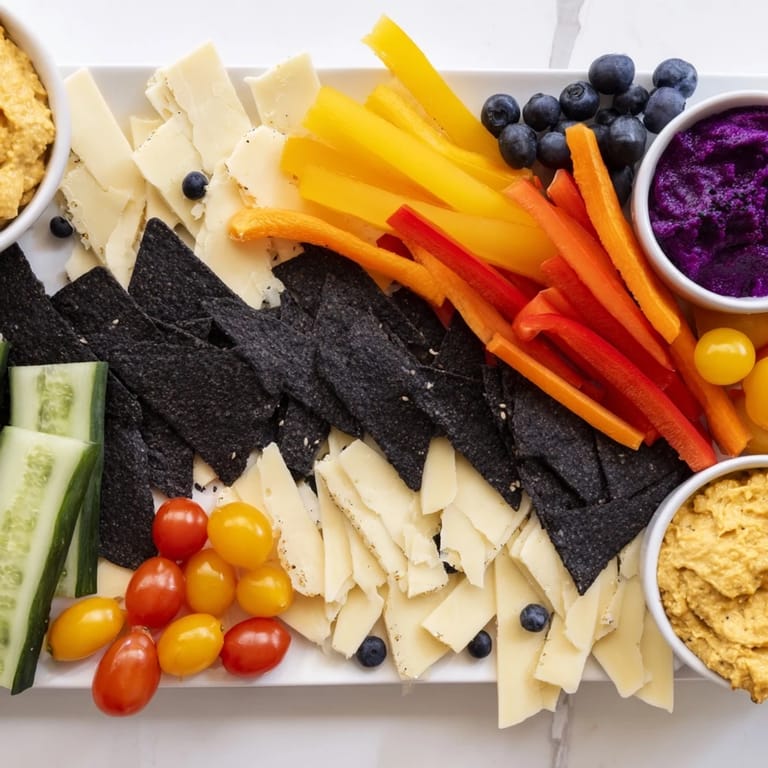
- Pour each hummus into its own small bowl and position them at the natural junctions of your zig-zag—these become visual rest points and functional gathering spots.
- Scatter your jewels:
- Nestle blueberries and halved cherry tomatoes along the zig-zag path. Let them sit in the crevices between vegetables and cheese; they act as visual punctuation and flavor surprises.
- Step back and admire:
- Before serving, take a moment to look at what you've created. A good zig-zag should feel dynamic—as if it's practically crackling with energy. If there are any gaps or dead spaces, fill them with extra blueberries or crackers.
- Serve with confidence:
- Bring it to the table immediately. The freshness is part of the beauty—vegetables stay crisp, colors stay bright, and everyone gets to experience it at its peak.
 Save
Save What struck me most about serving this zig-zag board wasn't just the compliments about how it looked, though there were plenty. It was watching people interact with it—how the bold arrangement made them slow down, consider their choices, and actually taste the combinations they were creating as they followed the path. Food became an experience, a journey across the platter rather than just reaching for whatever looked good. That's the quiet magic of a thoughtfully arranged board.
Choosing Your Colors
The beauty of the Zig-Zag Lightning Strike is that you're not locked into specific colors if you can't find them. The principle is contrast, not perfection. Yes, purple carrots are stunning, but orange ones work beautifully too—the zig-zag pattern will still electrify your table. Can't find golden cherry tomatoes? Red ones create even more drama. The magic happens when you place opposite colors and textures next to each other, so focus on contrast rather than exact ingredient matching. I once created this board with only what my local grocery store had on a Tuesday afternoon, and it was equally impressive—proof that bold arrangement trumps ingredient perfection every time.
Pairing and Serving Suggestions
This board walks the line between light and indulgent, making it incredibly flexible for different occasions. I've served it as a casual evening starter before dinner, as the entire meal at a summer garden party, and even as part of a larger spread at a cocktail gathering. The simplicity of fresh vegetables means it pairs beautifully with wine—a crisp Sauvignon Blanc is my favorite, though a sparkling wine or even sparkling water with fresh lemon works wonderfully. The key is serving it when your guests can properly admire it before diving in, so avoid setting it out during the chaos of arrival. Let people settle, offer them a drink, and then reveal your creation. It deserves a moment of appreciation.
Making It Work for Every Dietary Need
One of my favorite things about this board is how naturally it accommodates different diets without feeling like an afterthought. For vegetarians and vegans, swap the cheddar and gouda for high-quality plant-based cheeses—brands like Kite Hill or Violife have come remarkably far, and honestly, many people won't notice the difference once they're enjoying the whole composition. For gluten-free guests, simply swap the regular tortilla chips and rice crackers for certified gluten-free options; many brands now offer them in interesting colors that actually enhance the visual impact. The beauty is that the vegetables, fruits, and hummus are naturally free of common allergens (except for the sesame in the crackers and legumes in the hummus), so you're working from a solid foundation that most dietary needs can build from.
- Always double-check ingredient labels, especially for the hummus and crackers, as they often contain hidden allergens.
- If serving to someone with a severe allergy, prepare their portion separately to avoid cross-contamination.
- Consider labeling your dips if serving a large group—some hummus varieties contain garlic or other ingredients worth noting.
 Save
Save Every time I create this board, I'm reminded that sometimes the most impressive dishes don't come from hours in the kitchen—they come from vision, good ingredients, and the courage to arrange them boldly. It's a celebration of simplicity elevated into art.
Recipe Questions
- → What vegetables work best for this platter?
Crisp, colorful vegetables like red and yellow bell peppers, cucumbers, and purple carrots are ideal due to their firm texture and vibrant hues.
- → How should the cheeses be prepared?
Slicing sharp white cheddar and black wax gouda into thin angular pieces highlights their texture and complements the platter's geometric style.
- → Can this platter accommodate dietary restrictions?
Yes, substitute plant-based cheeses for vegan options and select gluten-free crackers to suit gluten sensitivities.
- → What is the best way to arrange the ingredients?
Arrange the components diagonally in a zig-zag pattern, alternating colors to maximize visual contrast and create a lightning bolt effect.
- → Which dips pair well with this platter?
Beet hummus and classic hummus provide contrasting flavors and colors, placed strategically at junctions for accessibility and style.